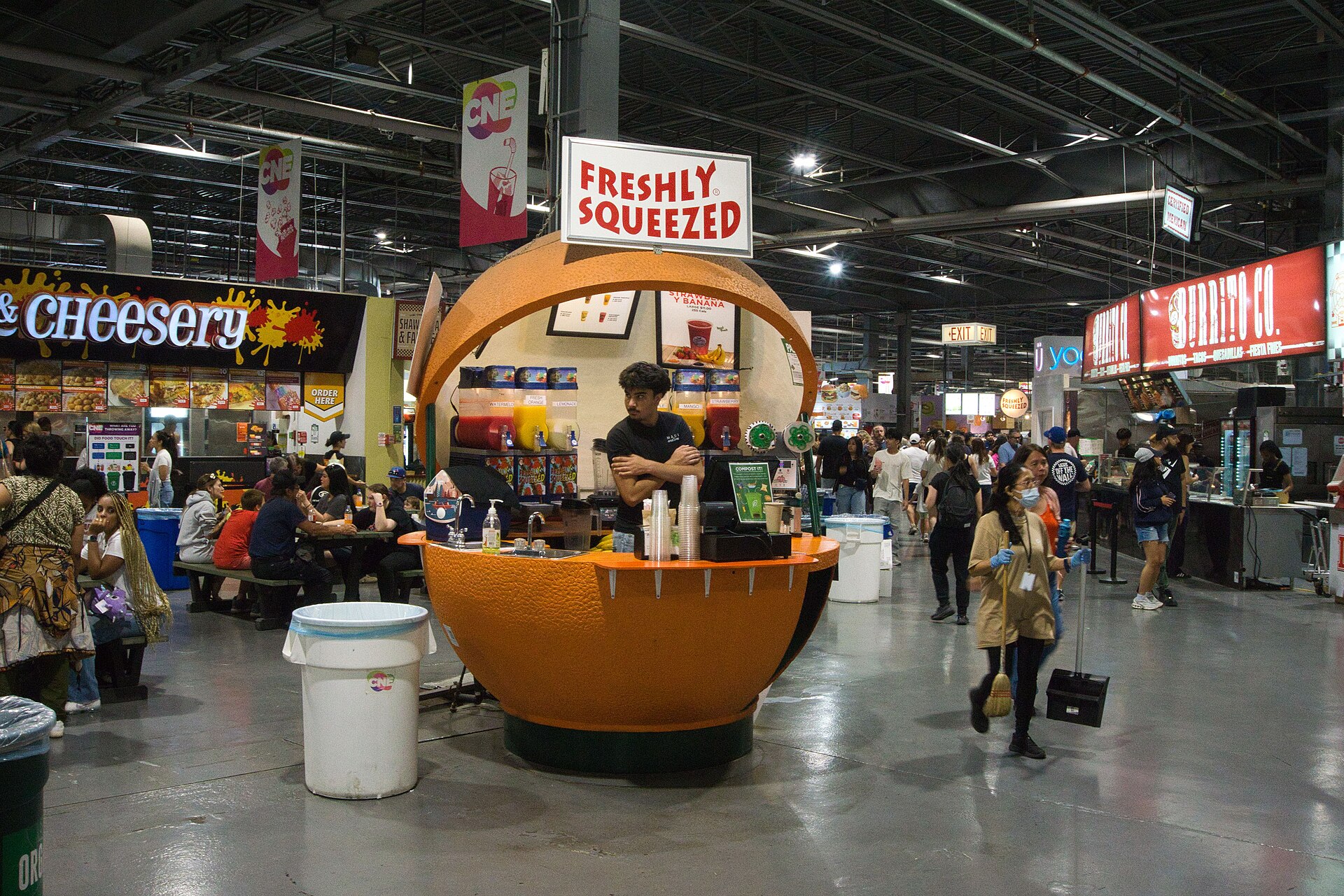
A glass of fresh orange juice takes three medium oranges, about five minutes, and no special equipment — a simple hand reamer or even a fork will do. The difference between juice that tastes bright and juice that tastes flat comes down to picking good fruit and squeezing it correctly, not to owning an expensive juicer.
Choosing the oranges
Juice oranges should feel heavy for their size. Weight means water inside the segments, and water is what becomes juice. Navel oranges are the easiest to find in the U.S. and work well, though they can turn slightly bitter if the juice sits for hours because of a compound called limonin. Valencia oranges are the classic juice orange: thinner skin, more juice, and a flavor that holds up a little longer.
Avoid oranges that feel light, have soft spots, or have skin that has started to dry and harden. Room-temperature oranges give more juice than cold ones, so pull them out of the fridge thirty minutes ahead, or warm them briefly under hot tap water.
How much juice to expect
One medium orange yields roughly 1/4 to 1/3 cup of juice. For a full 8-ounce glass, plan on three medium oranges; for a large glass, four. Yield varies with size, variety, and ripeness — see how much juice is in one orange for the details and a few tricks to squeeze out a bit more.
Method 1: Hand squeezer or reamer
- Roll each orange firmly on the counter under your palm for about ten seconds. This loosens the juice vesicles inside.
- Cut the orange in half across the segments, not through the stem end.
- Press a half onto the reamer cone and twist while pressing down. Rotate the half once to work the whole surface.
- Pour the juice through a small strainer if you want to catch seeds and some pulp.
A handheld citrus squeezer (the hinged kind) works the same way, but put the cut side facing down toward the holes — it looks backwards, and it is the most common mistake people make.
Method 2: No tools at all
If you have nothing but a knife and a fork, cut the orange in half, hold it over a glass, and twist a fork into the flesh while squeezing with your other hand. It is slower and messier but produces the same juice.
Method 3: Blender
Peel the oranges completely, removing as much of the white pith as you reasonably can — pith is bitter. Blend the segments for 15 to 20 seconds, then strain through a fine sieve or cheesecloth. Do not blend unpeeled oranges; the peel and pith make the whole glass bitter. A blender makes more pulp than a juicer, so straining matters here. More on the trade-offs in blender vs. juicer.
Method 4: Electric juicer
A centrifugal juicer handles oranges fastest — peel first or the oils in the skin end up in the glass. A citrus press (manual or electric) is even better for oranges because it juices without shredding the peel.
Getting the most juice per orange
- Roll the fruit before cutting.
- Use fruit at room temperature.
- After the main squeeze, scrape the spent half with a spoon — the pulp near the peel still holds juice.
- Cut across the equator, not pole to pole, so the segments open to the reamer.
Pulp or no pulp
Pulp is just the broken vesicles of the fruit. Keeping it adds fiber and a fuller texture; straining gives a cleaner, sweeter-tasting glass. If you strain, press the pulp in the sieve with the back of a spoon — a surprising amount of juice hides in there.
How long it keeps
Fresh orange juice tastes best within a few hours. In a sealed container in the fridge it stays good for about two to three days, though the flavor fades gradually and navel orange juice can develop bitterness faster. Fill the container as full as possible to limit air exposure. Full storage guidance is in how to store fresh juice.
Common mistakes
- Squeezing cold oranges. Cold fruit yields noticeably less juice.
- Blending with the peel on. The oils and pith turn the juice bitter.
- Letting it sit open in the fridge. Air dulls the flavor within a day.
- Buying by color alone. A greenish orange can be perfectly ripe inside; weight is the better test.
- Squeezing ahead for a crowd. If you need a pitcher for brunch, squeeze it the same morning, not the night before — the flavor difference is obvious to anyone drinking both.
Fresh-squeezed vs. store-bought
Bottled orange juice is pasteurized, which is why it tastes cooked compared to fresh. "Not from concentrate" versions are closer to fresh than concentrate-based ones, but still muted. The trade-off is convenience — squeezing three oranges for one glass takes about five minutes plus cleanup, and it is genuinely more expensive per glass than a carton. Fresh wins on flavor; the carton wins on speed. Most people land on fresh for weekends and special breakfasts, bottled for the everyday.
Easy variations
- Citrus blend: swap one orange for a grapefruit or two mandarins — same method, more complex flavor.
- Sparkling: half juice, half sparkling water over ice makes a lighter spritzer.
- With carrot: a small carrot run through the juicer alongside adds sweetness and color.
- Sweetness rescue: if the batch is sour, a teaspoon of honey stirred in beats sugar because it dissolves instantly in cold juice.
Once you can make a reliable glass of orange juice, the same method works for grapefruit and most citrus. From there, branching out to fresh pineapple juice or a carrot-apple blend is just a matter of adjusting the prep for a harder or larger fruit.