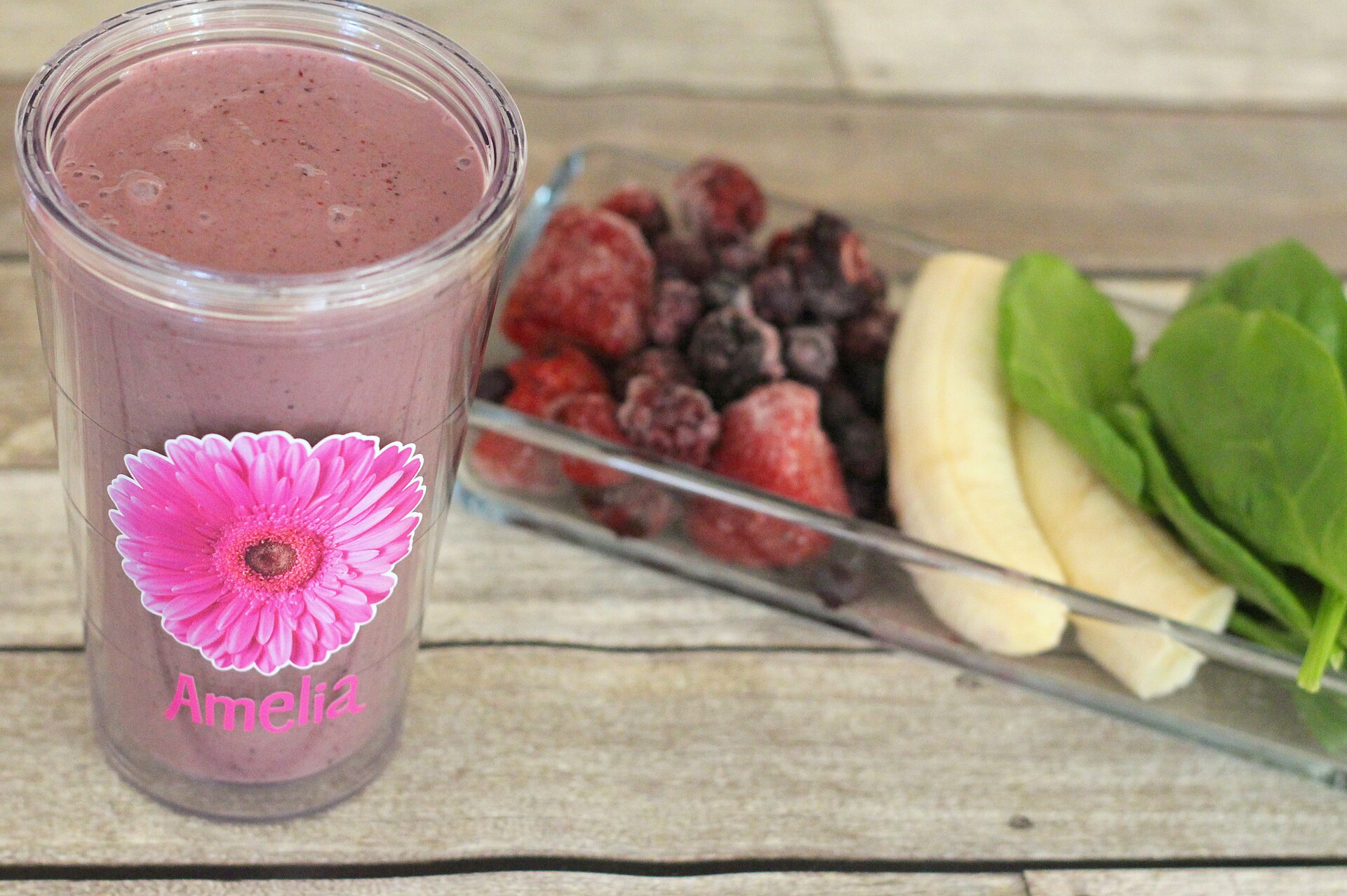
A good green juice should taste fresh, not like you're chewing on a handful of leaves. If you've tried blending spinach or kale with water and ended up with something bitter, watery, or difficult to drink, the ingredient balance probably needs adjusting.
The good news is that you don't need a juicer to make a green drink at home. A regular blender works well, and because you keep the blended fruit and vegetables instead of separating out the pulp, the result contains more of their original fiber.
This green juice blender recipe uses cucumber, spinach, green apple, lemon, and a little ginger. It's refreshing enough for a warm morning, easy to adjust to your taste, and doesn't require expensive powders or detox products.
Green Juice Blender Recipe
Prep time: 5–10 minutes
Servings: 1–2 glasses
Equipment: A regular blender
Ingredients
- 1 cup fresh spinach, washed
- ½ medium cucumber, chopped
- 1 small green apple, cored and chopped
- Juice of ½ lemon
- ½–¾ cup cold water
- A small piece of fresh ginger, optional
- Ice, optional
How to Make Green Juice in a Blender
- Wash the produce. Rinse the spinach, cucumber, and apple thoroughly under running water. Remove any damaged leaves and core the apple.
- Add the liquid first. Pour ½ cup of cold water into the blender. Add the spinach and blend briefly to break down the leaves.
- Add the remaining ingredients. Put in the cucumber, apple, lemon juice, and ginger if using.
- Blend until smooth. Start at a low speed, then increase it. Add more water a little at a time if the mixture is too thick.
- Taste before serving. Add a little more lemon if it tastes too sweet, or a few extra apple pieces if the greens taste too strong. Serve cold.
The result will be thicker than juice made with a juicer. That's normal. This recipe blends the edible parts of the ingredients together rather than extracting only their liquid.
How to Make Green Juice Taste Better
The biggest mistake with homemade green juice is using too many bitter vegetables before you've found a combination you enjoy. You don't need to force yourself to drink something unpleasant just because it looks healthy.
If it tastes too bitter: Use baby spinach instead of a large amount of kale. Baby spinach has a milder flavor. A little more green apple can also help.
If it tastes too sour: Reduce the lemon juice. Lemon should brighten the flavor, not overpower the cucumber and apple.
If it tastes too watery: Use less water or add more cucumber and spinach. Blend first, then adjust the consistency rather than pouring in a full cup of water immediately.
If the ginger is too strong: Start with a thin slice. Ginger can quickly dominate the drink, especially when the recipe makes only one serving.
If you want a sweeter drink: Add a few pieces of apple rather than immediately reaching for honey or syrup. Fruit adds natural sweetness, although it also contributes sugar.
For your first batch, keep the recipe simple. Once you know what you like, you can experiment with kale, parsley, celery, or a little pineapple.
Blender vs. Juicer: What's the Difference?
You can make green drinks with either appliance, but they produce different results.
Blending doesn't mean every nutrient remains perfectly unchanged, but it keeps the fiber that would normally be removed during juicing. Fiber contributes to digestive health and can help a drink feel more filling. The Mayo Clinic also notes that blending whole edible fruits and vegetables is worth considering when you want to retain fiber. Read the Mayo Clinic's explanation of juicing.
Which one should you choose? If you already own a blender, start with it. You don't need to buy a separate juicer just to try green drinks. If you strongly prefer a thin texture, you can strain the blended mixture through a fine sieve, but remember that doing so removes some of the fiber you would otherwise keep.
Does Green Juice Actually Detox Your Body?
Green juice is often marketed as a detox drink, especially in social media videos that show people drinking it first thing in the morning or following a multi-day juice cleanse. It's worth separating the appealing routine from the health claims.
Your liver and kidneys already play major roles in processing substances and removing waste from your body. There is no strong scientific evidence that drinking a particular green juice flushes toxins out faster or that a juice cleanse is necessary to reset your system. The U.S. National Center for Complementary and Integrative Health notes that research supporting detox diets is limited and does not establish that they eliminate toxins or provide lasting weight-management benefits. Read the NCCIH overview of detoxes and cleanses.
That doesn't mean green juice has no place in your diet.
Spinach provides nutrients such as folate and vitamin K. Cucumber contributes water, while apple adds flavor and some fiber when blended whole. Together, these ingredients can be a convenient way to include more produce in your day.
The distinction matters: green juice can contribute nutrients to a balanced diet, but it is not a medical detox treatment.
You also don't need to replace breakfast or other meals with green juice to get its benefits. A drink made mostly from fruit and vegetables may not provide enough protein or energy to serve as a complete meal on its own. If you're having it for breakfast, pair it with something more substantial, such as eggs, plain yogurt, or oatmeal.
Can You Drink Green Juice Every Day?
For most people, a glass of homemade green juice can fit into a balanced eating pattern. The more important questions are what goes into it and what it replaces.
Keep the vegetable portion generous, use fruit mainly to improve the taste, and avoid adding large amounts of sweeteners. Blending the whole ingredients also helps retain their fiber.
If you have a medical condition that requires you to limit certain nutrients, check with a healthcare professional before making concentrated vegetable drinks a daily habit. For example, people who need to manage vitamin K intake or have specific kidney-related dietary restrictions may need individualized advice about ingredients such as spinach.
Think of green juice as one convenient way to eat more produce, not something you have to drink every day to stay healthy.
What Can You Do With Leftover Ingredients?
Quick tip: If you have half an apple, cucumber, or lemon left over, store it in a clean, covered container in the refrigerator and use it soon. Cut produce deteriorates faster than whole produce, so don't leave it sitting on the counter.
Extra spinach can go into scrambled eggs, soup, or a pasta sauce. Leftover cucumber works in a salad or a glass of plain water. If you have more washed produce than you can use over the next few days, freeze suitable ingredients in portions for future smoothies. Cucumber may become softer after thawing, so it's usually better blended than served raw afterward.
For the best flavor and texture, make only as much green juice as you plan to drink. If you do have some left, refrigerate it promptly in a clean, sealed container and drink it as soon as practical. Fresh homemade drinks aren't pasteurized, and refrigeration does not eliminate the risk of harmful bacteria.
A Simple Green Drink Worth Repeating
This green juice blender recipe is easy to adjust without turning your kitchen into a juice bar. Start with spinach, cucumber, green apple, and lemon; then change the balance according to your taste. Use a blender if you want to keep the fiber, and don't rely on detox claims to justify drinking it.
If you enjoy experimenting with homemade drinks, try our carrot glow juice recipe for a naturally sweet carrot-and-coconut-water combination. For a sharper, fruitier flavor, the pineapple ginger juice recipe is another option.
Have you found a green juice combination that doesn't taste bitter? Try this base recipe first, then adjust one ingredient at a time. That's the easiest way to discover a version you'll actually want to make again.