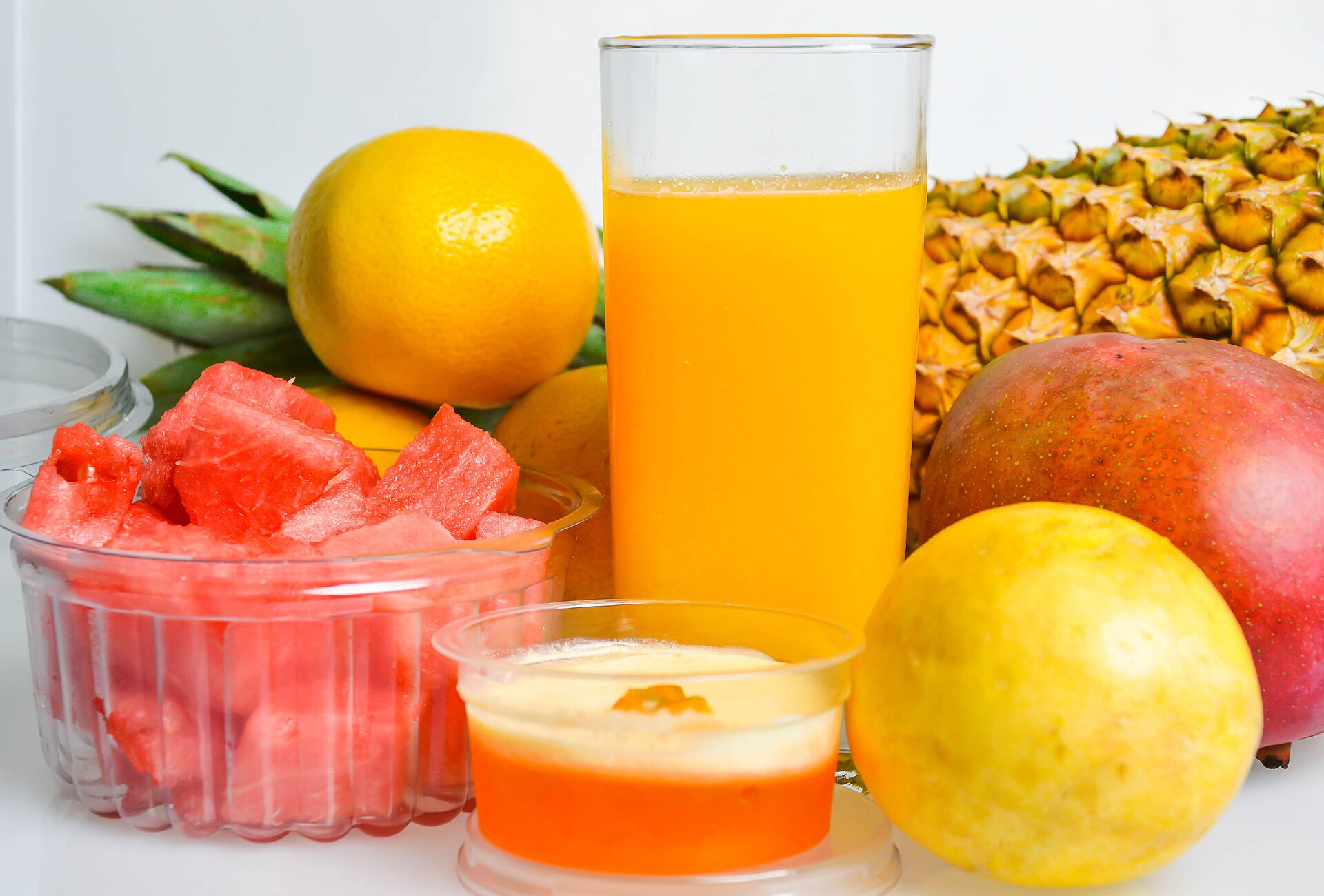
Pineapple ginger juice can be refreshing, but the first batch doesn't always turn out as expected. The ginger may overpower the fruit, the pineapple may taste too sour, or the finished drink may leave your tongue feeling prickly.
The solution is usually a small adjustment, not a long list of extra ingredients. Start with ripe pineapple, use less ginger than you think you need, and taste the juice before adding lemon or sweetener.
This recipe makes a fresh, fruit-forward drink with a noticeable but gentle ginger kick. It also covers a few common questions that recipe videos don't always explain, from mouth irritation to leftover pulp.
Pineapple Ginger Juice Recipe
Prep time: 10 minutes
Servings: 1–2 glasses
Ingredients
- 2 cups fresh pineapple chunks
- 1 thin slice of fresh ginger, about ¼ inch thick
- 1–3 tablespoons cold water, if needed
- 1 teaspoon fresh lime or lemon juice, optional
- Ice, optional
This is a deliberately mild starting ratio. Ginger varies in strength, so a piece that works in one batch may be too intense in another. You can always add more after tasting.
Instructions
- Wash the outside of the pineapple before cutting it. Remove the skin and tough core, then cut the flesh into chunks.
- Peel the ginger and slice it thinly.
- Run the pineapple and ginger through a juicer, following the manufacturer's instructions.
- Taste the juice before adding citrus. If it's too concentrated, stir in a tablespoon of cold water. Add lemon or lime only if you want a brighter, sharper finish.
- Serve immediately over ice if desired.
No juicer? Blend the pineapple, ginger, and a small splash of water until smooth. Strain through a fine-mesh sieve if you prefer a thinner drink. If you don't mind some pulp, leave it in and enjoy a thicker, smoothie-like texture.
How Much Ginger Should You Use?
If you have seen recipes using a large knob of ginger, don't assume you need the same amount. Some recipes are intended to make concentrated ginger shots, which are much more intense than a regular glass of juice.
For this recipe, start with one thin slice. After blending, you can add another small piece and blend briefly if you want a stronger flavor.
If your juice is already too spicy, add more pineapple or a little water. Adding honey may soften the perceived sharpness, but it won't remove the ginger's pungency. Avoid adding extra lemon automatically: the additional acidity can make an already intense drink taste even sharper.
For children or anyone who dislikes strong flavors, use very little ginger or leave it out altogether. The drink will still taste good with ripe pineapple.
Why Does Pineapple Make Your Tongue Tingle?
Have you ever eaten fresh pineapple and noticed that your tongue or the inside of your mouth feels prickly? It doesn't always mean you've added too much ginger.
Pineapple contains natural acids, as well as bromelain, a group of enzymes that break down proteins. These can contribute to the sharp sensation some people notice when eating fresh pineapple. The U.S. National Center for Complementary and Integrative Health explains what bromelain is and what research says about it. Read the NCCIH overview of bromelain.
If the drink feels too sharp, try these adjustments:
- Use fully ripe pineapple rather than fruit that tastes very tart.
- Reduce the ginger and skip the lemon or lime for your next batch.
- Dilute the drink with a little cold water.
- Have a smaller serving rather than forcing yourself to finish a large glass.
A mild, brief prickly sensation isn't the same as an allergic reaction. Stop drinking it if you experience significant burning, swelling, itching, hives, or other concerning symptoms. Swelling of the lips, tongue, or throat, or difficulty breathing, requires urgent medical attention.
Can You Use Frozen or Bottled Pineapple?
Yes. Fresh pineapple is convenient when it's ripe and juicy, but you don't need to buy a whole fruit every time you want a glass.
Frozen pineapple: Let the chunks soften slightly before juicing or blending. Frozen pineapple is particularly useful in a blender, where it can make the drink cold and thick. Add water gradually rather than pouring in a large amount at the beginning.
Bottled pineapple juice: Choose an unsweetened product if possible. Since bottled juice is already liquid, start with about 1 cup of pineapple juice and add a very small amount of finely grated ginger or ginger juice. Stir, taste, and adjust gradually. You may not need any additional water.
Canned pineapple: Choose pineapple packed in juice rather than heavy syrup, and drain it before blending. The result may taste sweeter or less fresh than juice made with ripe fresh pineapple, so adjust the acidity only after tasting.
These alternatives are especially useful when you want to make a single serving without preparing a whole pineapple.
Why Is Homemade Pineapple Ginger Juice Foamy or Stringy?
A little foam on top is common after juicing or blending. Blending incorporates air, while the fruit's pulp can affect the texture. Let the drink stand briefly and skim off the foam if you don't like it.
If the juice feels stringy, the tough pineapple core or ginger fibers may be responsible. Remove the core before blending, cut the ginger into small pieces, and strain the finished drink through a fine-mesh sieve.
You may also notice that the juice separates into layers after standing. That's normal for a homemade drink without added stabilizers. Stir it before drinking rather than adding more ingredients to fix it.
What Can You Do With Leftover Pineapple and Ginger?
Quick tip: Cut only the pineapple you need and store the rest in a clean, covered container in the refrigerator. Use it within a few days, or freeze the chunks in portions for future drinks.
Leftover pineapple works well in plain yogurt, oatmeal, fruit salad, or a smoothie. A small amount of ginger can be grated into stir-fries, soups, or a homemade dressing.
If you're using a juicer, you may have pineapple pulp left over. You can add a little to a smoothie or a recipe that benefits from fruit pulp, provided it is fresh and has been handled safely. Ginger-heavy pulp may be too fibrous or spicy to use in large quantities.
How to Store Pineapple Ginger Juice
Fresh juice tastes best soon after preparation. If you need to save some, transfer it promptly to a clean, airtight container and refrigerate it. For best flavor, drink it as soon as practical rather than preparing a large batch for the entire week.
You can also freeze leftover juice in small, freezer-safe portions, leaving room for expansion. Thaw it in the refrigerator and stir before serving. The texture and flavor may change slightly after freezing.
Freshly prepared juice has not been pasteurized, so refrigeration doesn't make it risk-free. Wash your hands, rinse the fruit under running water before cutting it, clean your equipment, and don't leave the drink sitting at room temperature for extended periods. The FDA provides further guidance on safe preparation of fresh juice.
Make a Version You'll Actually Enjoy
The best pineapple ginger juice doesn't need to be extremely spicy or sour. Start with ripe pineapple and a small slice of ginger, then adjust the recipe based on the first sip. If your mouth feels irritated, leave out the citrus and use less ginger next time. If the texture is the problem, remove the tough core and strain the drink.