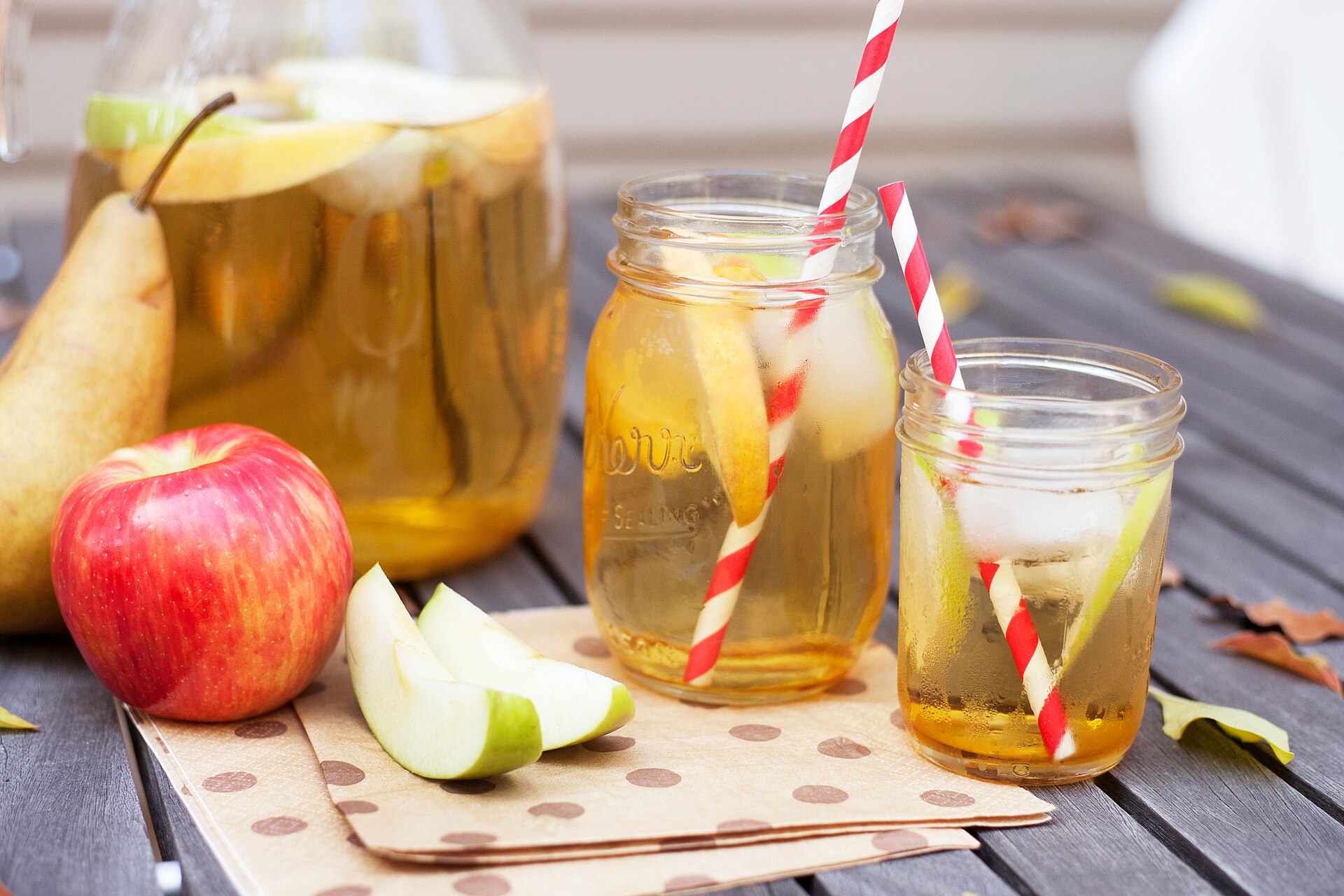
Fresh juice starts losing its brightest flavor within hours, but it does not go bad nearly that fast. Stored correctly — sealed container, little air, cold fridge — most fresh juice stays good for about two to three days. Past that the flavor flattens and the risk of spoilage starts climbing. Here is how to get the most time and taste out of a batch.
The short answer by juice type
- Citrus juices (orange, grapefruit, lemon): best within 24 hours, good up to 2–3 days refrigerated.
- Apple, pineapple, and most fruit juices: 24–48 hours at their best.
- Vegetable juices (carrot, beet, green blends): treat as best within 24 hours; they can hold 2–3 days but flavor drops faster.
- Smoothies and blended drinks: best the same day; they separate and oxidize faster but keep about 24 hours refrigerated.
These are quality windows, not cliff edges — juice does not flip from fine to dangerous on day three. It just stops being worth drinking fresh.
What makes juice go downhill
- Oxygen. Air oxidizes vitamin C and aroma compounds — this is why the top of the container tastes flattest and why filling the container matters more than which container you use.
- Light and heat. Both speed up the same breakdown. A cold, dark fridge slows everything.
- Microbes. Fresh juice is not pasteurized — the same sugars and water that make it delicious feed yeast and bacteria. Refrigeration keeps that slow; room temperature does not.
Signs juice has actually turned: a sour or fermented smell, fizzing or bubbles, visible mold, a swollen lid, or a distinctly off taste. Any of those, pour it out.
Storing it right
- Use a glass container with a tight lid. Glass does not hold odors and seals better than most plastic. A mason jar is ideal.
- Fill it to the top. The less air trapped in the container, the slower the oxidation. If the juice does not fill the jar, use a smaller jar — this one habit does more than any gadget.
- Add a squeeze of lemon. The extra acidity and ascorbic acid slow browning and off-flavors, especially for apple and vegetable juices.
- Refrigerate immediately. Cold within the hour, not "once it cools on the counter."
- Store it cold, low, and back. The back of a lower shelf is the coldest, most stable spot — not the door.
- Shake before drinking. Separation is normal; sediment settling at the bottom is not spoilage.
Freezing fresh juice
Freezing works well and is the right move for any batch you will not finish in two days:
- Freeze in a jar or freezer container with at least an inch of headspace — juice expands as it freezes and will crack a filled-to-the-brim glass jar.
- Ice cube trays make recipe-size portions; once frozen, move cubes to a bag.
- Keeps good quality for about 2–3 months. It stays safe longer but the flavor fades.
- Thaw overnight in the fridge, not on the counter; shake or re-blend because separation after thawing is normal.
- Frozen cubes go straight into smoothies without thawing — arguably the best use.
The mistakes that shorten juice life
- Leaving it out on the counter. Two hours at room temperature is the cautious limit for fresh juice before quality and safety start sliding; a hot kitchen moves faster.
- A half-empty container. All that headspace is oxygen working on your juice overnight.
- Drinking straight from the storage bottle. It introduces bacteria from your mouth into the whole batch — pour a glass instead.
- Storing in the juicer's catch cup. Those are not sealed containers; transfer it.
- "It still looks fine" after a week. Appearance is not the test — smell and taste are, and even then the cautious rule for fresh juice is two to three days, not seven.
Does storage hurt the nutrition?
Yes, slowly. Vitamin C is the first casualty — it oxidizes on contact with air, which is one more reason a full container beats a half-full one. The decline is gradual, not dramatic: day-two juice is not nutritionally empty, it is just somewhat diminished from the glass you poured on day one. Freezing pauses most of the decline, which is another argument for freezing what you will not finish soon.
Store-bought juice lasts longer — here is why
A carton of juice that lasts weeks is not fresher juice; it is processed juice. Pasteurization kills the microbes and deactivates enzymes that would otherwise spoil it quickly, and sealed packaging keeps new air out until you open it. That is the entire trick. Fresh juice skips all of that, which is exactly why it tastes better and exactly why its window is days, not weeks. Once a carton is opened, the same rules apply — use it within about a week, cold.
When in doubt, make less more often
The simplest storage strategy is matching batch size to what you will actually drink in a day or two. Knowing the real yield — three to four oranges per glass — keeps you from making a quart when you wanted a cup. And if mornings are the bottleneck, freeze portions of juice or prep breakfast drinks ahead instead of gambling on day-four juice.