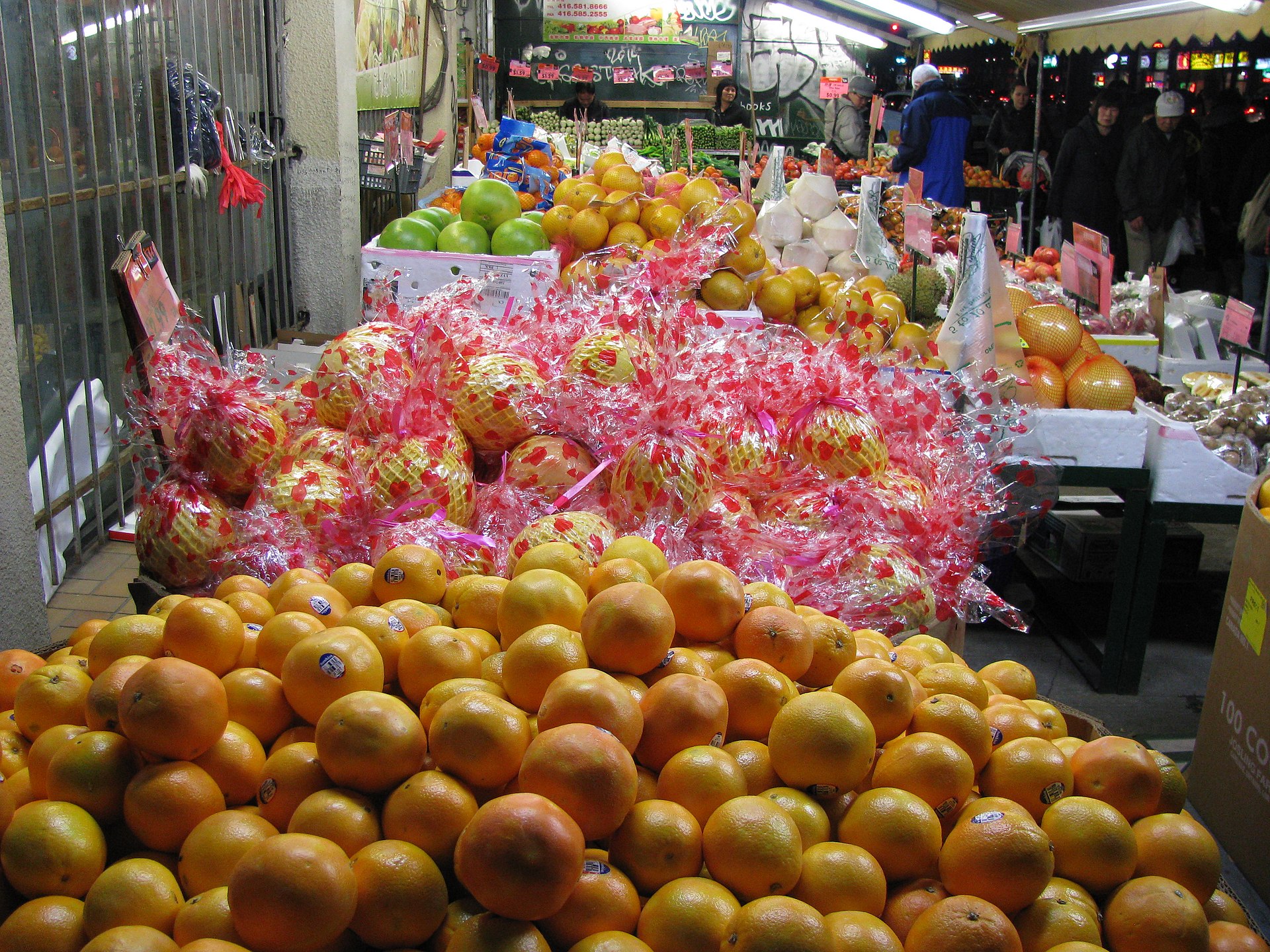
One medium orange gives you about 1/4 to 1/3 cup of juice — roughly 2 to 2.7 ounces, or 60 to 80 ml. That means a full 8-ounce glass of fresh orange juice takes three medium oranges, and a large 12-ounce glass takes four to five. The honest range is wide because oranges vary a lot by variety, size, ripeness, and how you squeeze them.
The quick answer by size
- Small orange (about 2 1/4 inches, mandarin-size): 2–3 tablespoons, roughly 1–1.5 oz
- Medium orange (about 3 inches, typical navel): 1/4–1/3 cup, roughly 2–2.7 oz
- Large orange (about 3 1/2 inches): 1/3–1/2 cup, roughly 2.7–4 oz
- Valencia / juice orange: often at the high end for its size — thinner peel, more juice
As a shopping rule of thumb: one pound of oranges yields about 1/2 to 2/3 cup of juice. For a recipe calling for "the juice of one orange," assume 1/4 cup unless a medium-large fruit is specified.
How many oranges per glass
| Glass size | Juice needed | Medium oranges |
|---|---|---|
| Small glass | 4 oz (1/2 cup) | 1.5–2 |
| Standard glass | 8 oz (1 cup) | 3–4 |
| Large glass | 12 oz (1.5 cups) | 4–6 |
| Full pitcher | 32 oz (4 cups) | 12–16 |
This is the math that surprises most first-timers: a single orange is a snack, not a glass of juice. If juicing feels expensive, that is why — fresh orange juice is genuinely several pieces of fruit per glass.
What changes the yield
- Variety. Valencia and other "juice oranges" were bred for yield and give noticeably more than thick-skinned navels of the same size. Blood oranges and Cara Cara are in between.
- Temperature. Room-temperature oranges give meaningfully more juice than fridge-cold ones — the membranes soften and release juice more freely. Give refrigerated fruit 30 minutes on the counter, or a short soak in warm water.
- Ripeness and freshness. A heavy orange is a juicy orange. Fruit that has been sitting long enough to feel light has literally lost water weight — and that lost weight is juice.
- How you squeeze. A proper reamer or citrus press extracts more than hand-squeezing, which in turn beats fork-twisting. Electric citrus presses come out on top because they keep working the pulp until it is spent.
How to get the most juice out of every orange
- Roll it first. Press the orange on the counter under your palm and roll it firmly back and forth for about ten seconds. This breaks down the juice vesicles inside and can add a tablespoon or more per fruit.
- Warm it up. If the orange came from the fridge, warm it — ten seconds in the microwave works too, despite sounding wrong.
- Cut across the equator. Halving across the segments exposes all the vesicles to the reamer. Stem-to-pole cuts hide half of them.
- Ream twice. After the first pass, rotate the half and squeeze again from a different angle — the pulp near the peel still holds juice.
- Finish with a spoon. Scrape the inside of the spent half and press the pulp in your strainer; there is more juice in the pulp than it looks.
Done all together, these tricks can take a mediocre orange from 1/4 cup to nearly 1/3 cup — which is one extra glass per dozen oranges.
Measuring for recipes
When a recipe (or your glass) calls for a specific amount:
- 1/4 cup juice → about 1 medium orange
- 1/2 cup → 2 medium oranges
- 1 cup (8 oz) → 3–4 medium oranges
- Juice plus zest → always zest before juicing; a spent half has no grip left
Measuring spoons are more accurate than counting fruit when baking or cooking, where juice acidity affects the recipe.
How other citrus compares
Once you know the orange numbers, the rest of the citrus family falls into place:
- Lemon: 2–3 tablespoons per fruit — about a quarter of an orange.
- Lime: 1–2 tablespoons — smaller and stingier still.
- Mandarin / clementine: 2–3 tablespoons; easy to peel, often seedier.
- Grapefruit: 1/2 to 2/3 cup — roughly two oranges' worth in one fruit.
The same yield tricks apply to all of them: room temperature, rolled, cut across the segments.
The cost math nobody mentions
Fresh orange juice uses enough fruit that it is worth knowing the real price. At roughly a dollar a pound for oranges in season, an 8-ounce glass costs about a dollar fifty to two dollars in fruit — versus well under a dollar for the same glass from a carton. That is not an argument against fresh juice; it is the reason fresh juice is a weekend glass or a treat, and why squeezing a huge pitcher is a different decision than squeezing one glass.
What to do with more juice than you need
Fresh orange juice keeps in a sealed container in the fridge for two to three days — full details in how to store fresh juice. Beyond that, freeze it in ice cube trays: the cubes drop neatly into smoothies or a future marinade. And if you are juicing more than an orange or two at a time, the method guide in how to make fresh orange juice covers squeezers, reamers, blenders, and juicers so the extra fruit does not fight you.