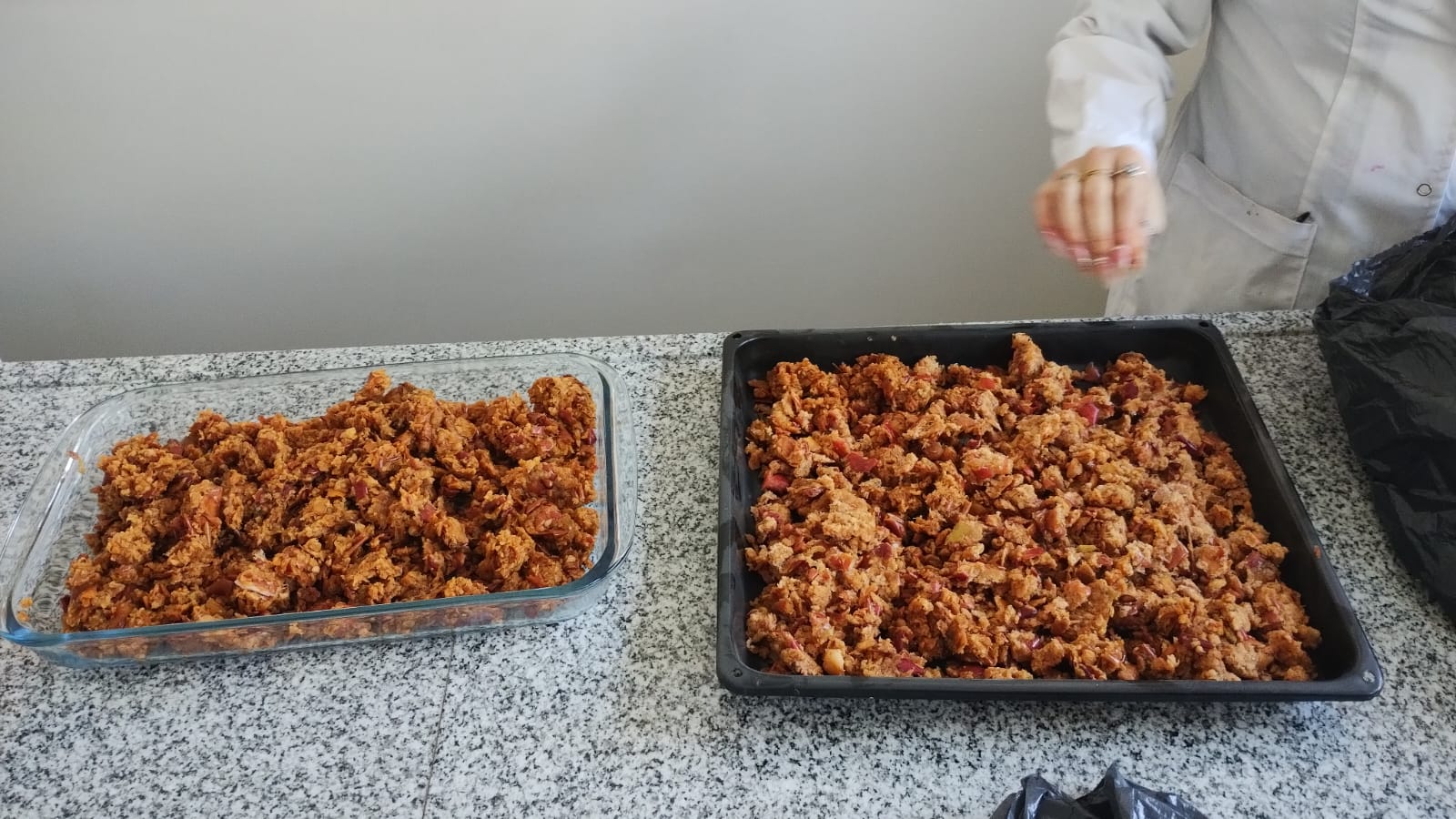
Every juicing session ends with a pile of pulp — the damp, fibrous remains the machine pushed aside. It feels wasteful because it is: that pulp is where most of the fruit's fiber went, and often a third of the produce's weight. Some of it is genuinely worth using, some is destined for the compost, and knowing which is which saves you from both guilt and bad muffins.
First: which pulp is worth keeping
Taste it. That is the whole test. Sweet, mild pulp — apple, carrot, pear, pineapple, watermelon — is usable because it still carries flavor. Bitter or aggressively fibrous pulp — citrus pith, kale, celery strings, ginger dregs — is not, and no recipe will fix it. Mixed pulp is a judgment call: mostly-apple with a little carrot is fine; anything with a lot of citrus pith or leafy greens will taste green and bitter in baked goods. When in doubt, cook with the sweet stuff and compost the rest.
Uses that actually work
- Muffins and quick breads. The classic answer, and a real one — replace up to a third of the grated fruit or veg in a carrot cake, zucchini bread, or morning muffin with squeezed-out pulp. Carrot-apple pulp disappears into them perfectly.
- Soups and broths. Vegetable pulp (carrot, celery, beet) simmers into soup stock the same way whole vegetables do — freeze it in a bag until you have a few cups, then boil with water, onion, and bay leaf.
- Veggie burgers and patties. Firm vegetable pulp adds bulk and fiber to bean burgers. Squeeze it very dry first or the patties steam instead of searing.
- Crackers. Mix vegetable pulp with flaxseed and water, spread thin on a baking sheet, score, and bake low and slow until crisp.
- Smoothies. A spoonful of fruit pulp goes straight back into a smoothie — it returns the fiber the juicer took out. This is the easiest use, and the most honest one.
- Compost or garden. Not a cop-out — pulp breaks down fast and feeds soil. If you have a garden, this is a legitimate destination, not a last resort.
Freeze it if you cannot use it today
Fresh pulp spoils faster than the juice it came from — it is wet, sugary, and already partially oxidized. If you will not use it within a day, pack it flat in a freezer bag or freeze it in an ice cube tray for smoothie-sized portions. It keeps about a month frozen. Label the bag; once frozen, "apple-carrot" and "beet" look identical, and they do not swap.
What not to bother with
- Citrus pith pulp. It is bitter through and through — compost it.
- Leafy green pulp in baked goods. It tastes like lawn in a muffin. Save it for soup or compost.
- Pulp left out on the counter. Two hours is the safe window; past that, compost it rather than risk it.
- Recipes that demand dried pulp. Dehydrating pulp for "juice pulp flour" works but takes hours; it is a hobby, not a duty.
Or reduce the pile at the source
Two honest ways to make less pulp: run it through the juicer a second time (most machines squeeze out another 10–15% on a second pass), or make some of your drinks in the blender instead — a blender keeps the fiber in the glass, so there is no pulp pile at all. Both beat pretending you will bake with pulp every week.
The bottom line: keep the sweet pulp, freeze what you cannot use today, and compost the rest without guilt. The waste question belongs to the produce aisle too — juicing three oranges uses the same fruit as eating three oranges, it just leaves the evidence visible.