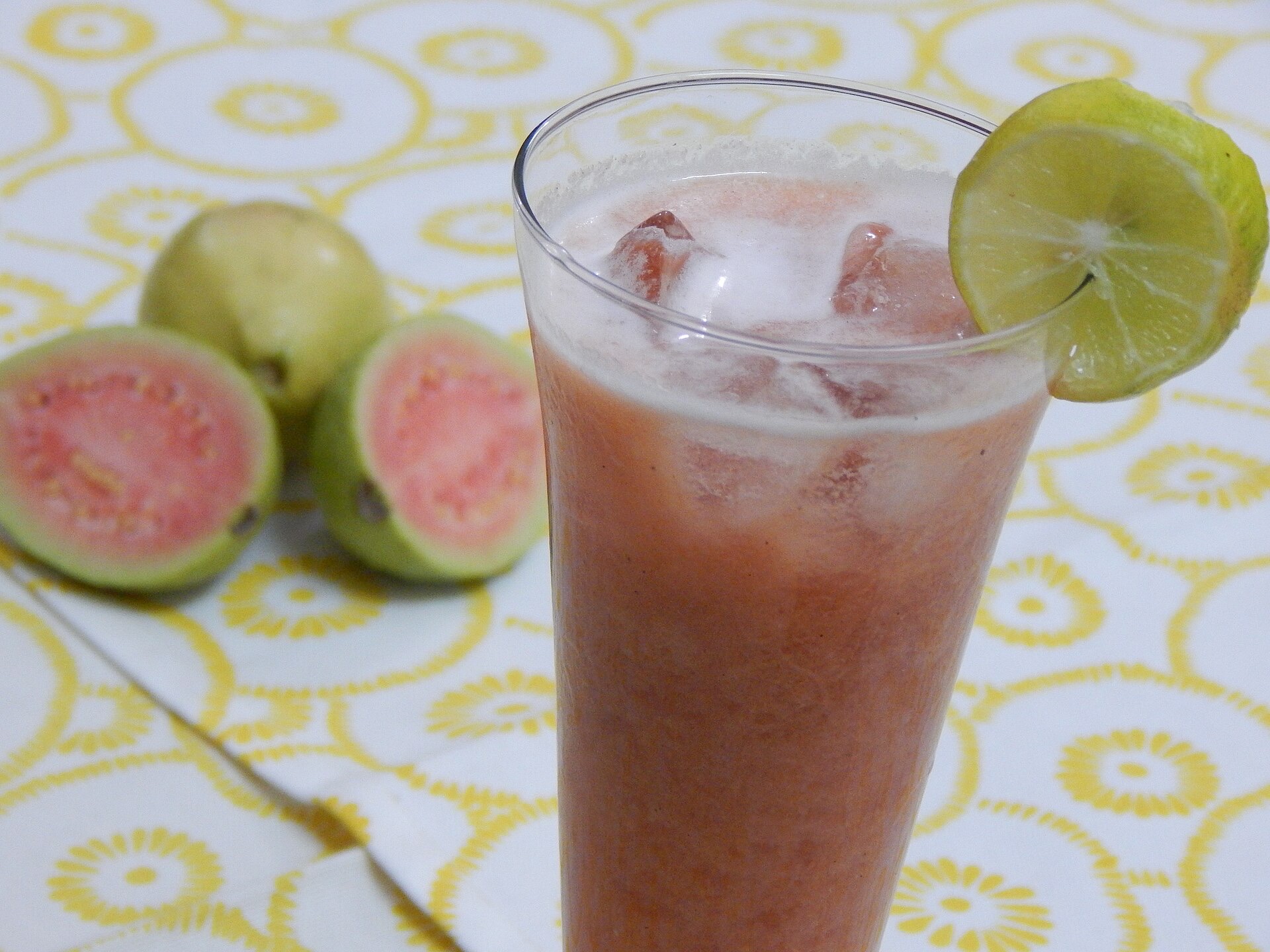
Fresh guavas have a lovely fragrance and a naturally sweet taste, but turning them into juice can be a little different from juicing oranges or apples. The flesh is thick, and the small seeds in the middle are quite hard.
If you've bought ripe guavas and want to make a refreshing drink at home, the trick is to get the flavor from the fruit without leaving too many seeds or rough pieces in the glass.
This homemade guava juice recipe uses fresh guavas, cold water, and a little lime juice. It keeps the natural guava flavor while making the drink lighter and easier to enjoy.
Ingredients for Fresh Guava Juice
This recipe makes about 2–3 glasses, depending on the size of your guavas and how much water you add.
- 3–4 medium ripe guavas (about 450–500 g)
- 400–500 ml cold water
- 1–2 tablespoons fresh lime juice
- 1–2 tablespoons sugar or honey (optional)
- Ice cubes, for serving
Choose guavas that are ripe and fragrant. Their natural sweetness means you may not need much added sugar.
The amount of water depends on the texture you prefer. Start with 400 ml for a stronger guava flavor. Add more if you prefer a lighter, thinner drink.
Fresh lime juice is optional, but it helps balance the sweetness and gives the juice a fresher finish.
How to Make Guava Juice
Making fresh guava juice is mostly about preparing the fruit properly and removing the hard seeds. You want to keep the soft fruit pulp while getting rid of the parts that make the drink gritty.
Prepare the Guavas
Wash the guavas under running water and remove the stem and flower ends. Cut each fruit into smaller pieces.
You can leave the skin on if the guavas are clean and in good condition. The skin is edible and can contribute to the fruit's flavor.
If the fruit has any damaged or spoiled areas, cut those away before using it.
Extract the Juice and Remove the Seeds
Process the guava pieces until the flesh becomes a thick pulp. Avoid processing the seeds into very fine particles.
Pour the pulp through a fine-mesh strainer placed over a large bowl or jug. Press it gently with a spoon to help the soft fruit pulp pass through while the harder seeds remain in the strainer.
Don't press so aggressively that you force lots of seed fragments through. If you want a smoother drink, strain the juice a second time.
Add Water and Lime to Finish
Add about 400 ml of cold water to the strained guava pulp and stir well.
Mix in the lime juice and taste the drink. If it is too thick, add a little more water. If the guavas are not very sweet, add sugar or honey gradually until the flavor is right.
Chill before serving or pour over ice.
The finished guava juice should have a smooth texture, a noticeable fruity fragrance, and a gentle sweetness rather than a watery taste.
How to Choose Ripe Guavas for Juice
The quality of the guavas makes a big difference to homemade guava juice. Unripe fruit can taste hard, sour, and less fragrant, while properly ripe guavas usually have a sweeter and more noticeable aroma.
White Guava vs. Pink Guava
Both white and pink guavas work well for fresh juice, but they can give you slightly different results.
White guava usually has pale flesh and a fresh, mild flavor. It is a good choice if you prefer a lighter-colored juice with a gentle fruit taste.
Pink guava has pink or reddish flesh and often produces a more colorful drink. Depending on the variety and ripeness, its flavor may be sweeter and more aromatic.
You don't need to change the recipe for either type. Simply adjust the water and lime juice to suit the fruit.
If you're using very fragrant pink guavas, start with less lime so that the citrus doesn't overpower the fruit.
How to Tell When a Guava Is Ripe
A ripe guava is usually easier to recognize by its smell and texture than by color alone.
Look for these signs:
- Fragrance: Ripe guavas have a noticeable sweet, fruity smell near the stem.
- Texture: The fruit should give slightly when pressed gently, but it should not feel mushy.
- Appearance: Depending on the variety, the skin may change from deep green to a lighter green or yellowish shade.
- Condition: Avoid fruit with mold, leaking spots, or large soft damaged areas.
If your guavas are still very firm and have little fragrance, give them more time to ripen before making juice. The flavor will usually be better.
Should You Remove Guava Seeds?
Yes, for a smooth homemade guava juice, removing most of the seeds is a good idea.
Guava seeds are small but hard. If you leave too many in the finished drink, the texture can feel gritty rather than smooth.
The easiest approach is to separate the pulp from the seeds after processing the fruit. A fine-mesh strainer works well for this.
There is no need to remove every seed by hand before preparing the fruit. That would take much longer than simply straining the pulp afterward.
If you enjoy a thicker, more fruit-like drink, you can leave some of the soft pulp in the juice. Just make sure the harder seeds and noticeable seed fragments are removed.
For a smoother result, use a fine strainer and avoid pushing the seeds through with too much pressure.
How to Adjust the Taste and Texture
Guavas vary in sweetness, acidity, and juiciness. Even when you follow the same recipe, the finished drink may taste a little different depending on the fruit.
A few small adjustments can help you get the consistency you want.
If the Juice Is Too Thick
Guava pulp is naturally thick, so the drink can become almost puree-like if you use very little water.
Add cold water a little at a time, stirring after each addition. This makes it easier to control the consistency without making the juice too weak.
If you prefer a stronger guava flavor, don't add all the water at once. Start with a smaller amount and adjust after tasting.
If It Tastes Too Sweet or Too Tart
Very ripe guavas can be quite sweet. A little lime juice helps balance that sweetness and makes the drink taste fresher.
If your guavas are less ripe or naturally tart, use less lime and add a little sugar or honey if needed.
The best approach is to taste the juice before adding anything extra. You may find that ripe guavas are already sweet enough.
If the Guava Flavor Is Too Strong
Some guava varieties have a very strong fragrance and flavor. If the juice feels too concentrated, add a little more cold water.
You can also mix in a small amount of fresh pineapple juice for a fruitier taste. Pineapple adds sweetness and a gentle tang that pairs well with guava.
Try a small amount first so the pineapple doesn't overpower the guava.
Fresh Guava Juice Recipe at a Glance
Preparation time: 10–15 minutes
Servings: 2–3 glasses
Best served: Chilled
Ingredients
- 3–4 medium ripe guavas
- 400–500 ml cold water
- 1–2 tablespoons fresh lime juice
- 1–2 tablespoons sugar or honey (optional)
- Ice cubes
Instructions
- Wash the guavas and remove the ends.
- Cut the fruit into smaller pieces and process until you have a thick pulp.
- Strain the pulp through a fine-mesh sieve to remove the hard seeds.
- Add cold water and stir until the juice reaches your preferred consistency.
- Mix in lime juice and sweeten if necessary.
- Chill and serve over ice.
For a stronger guava flavor, use less water. For a lighter drink, add a little more.
How to Store Homemade Guava Juice
Fresh guava juice tastes best soon after preparation, when its fruity aroma is at its freshest.
If you have leftovers, pour them into a clean, airtight bottle or jar and refrigerate promptly. Keep the juice cold and try to drink it within 24 hours for the best flavor.
Some separation is normal because fresh fruit pulp naturally settles over time. Give the bottle a gentle shake or stir before serving.
Avoid leaving freshly prepared juice at room temperature for extended periods. If it develops an unusual fermented smell, unexpected fizzing, or visible mold, discard it.
For more practical advice about keeping homemade drinks fresh, see our guide to how long fresh juice lasts in the fridge.