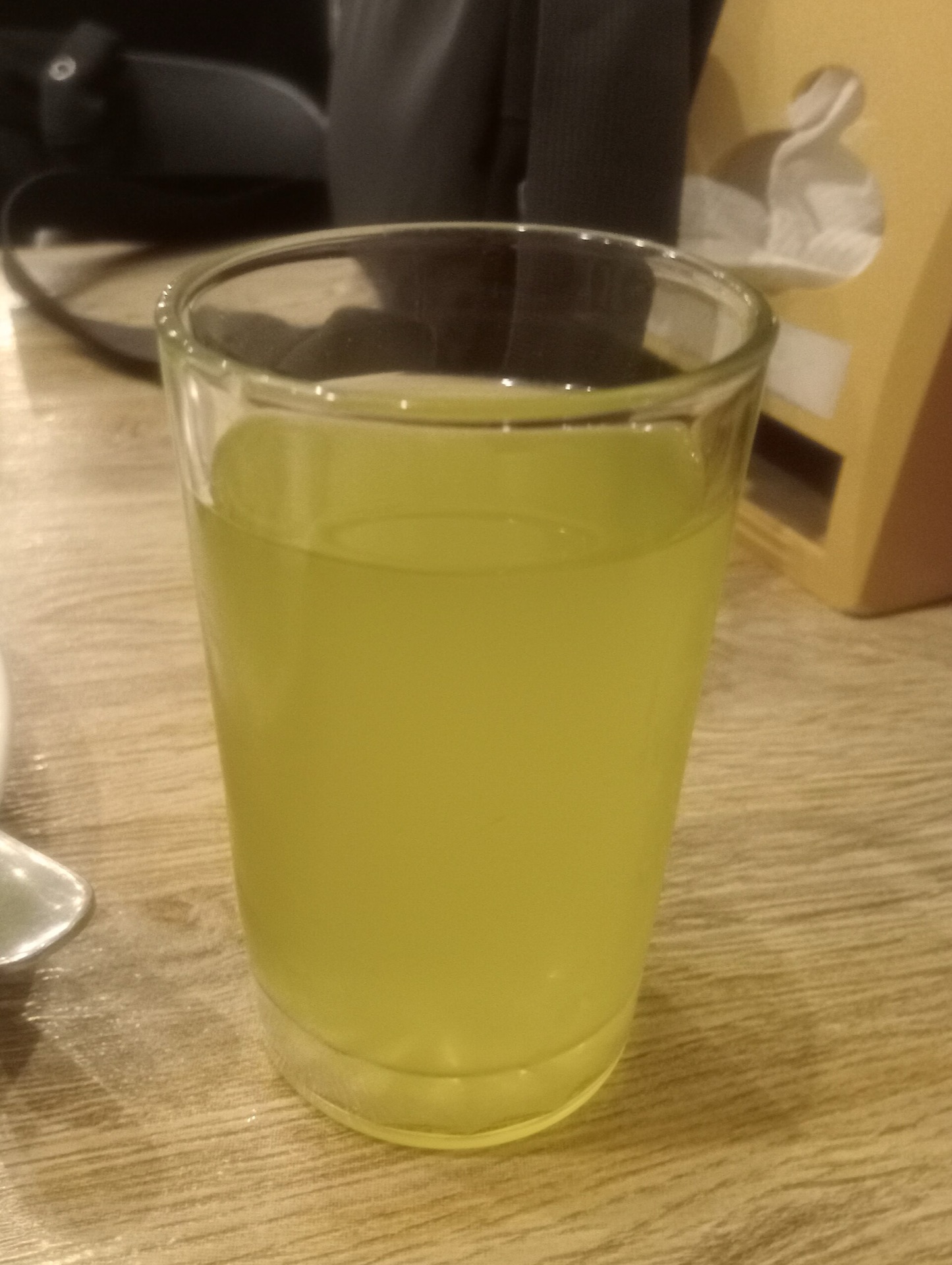
Many homemade juice recipes use several apples, oranges, pineapples, or other sweet fruits to make the drink taste better.
That works well if you enjoy sweet juice. But what if you prefer something lighter and less sweet?
Vegetable juice is a good place to start. Ingredients such as cucumber, celery, spinach, and tomatoes have relatively little natural sugar compared with many sweet fruits.
You can combine them to make fresh drinks without adding sugar, honey, or large amounts of fruit.
Here are three simple combinations, along with a few ways to adjust the flavor.
What Makes a Vegetable Juice Low in Sugar?
The main difference is the ingredients you use.
A juice made mostly from cucumber, celery, spinach, or tomatoes will generally contain less natural sugar than one made with several apples, oranges, or carrots.
However, low-sugar does not mean sugar-free.
Vegetables still contain naturally occurring carbohydrates, and the final amount depends on the ingredients and quantities used. Removing added sugar is a useful first step, but it does not automatically make every homemade juice low in sugar.
For a less sweet drink, try these guidelines:
- Use vegetables as the main ingredients.
- Choose cucumber or celery as a mild-tasting base.
- Add lemon for freshness instead of using more fruit.
- Use apple or other sweet fruit only when the flavor needs balancing.
- Avoid adding honey, syrup, or regular sugar.
The following combinations are designed to taste fresh rather than sweet.
Cucumber Celery Spinach Juice
Flavor: Light, fresh, and mildly green
This is a simple combination if you want a vegetable juice without much fruit.
Cucumber gives the drink a light flavor, celery adds a slightly savory taste, and spinach brings a mild leafy note. Lemon helps bring everything together.
Ingredients:
- 1 medium cucumber
- 2 celery stalks
- 1 packed cup fresh spinach
- Juice of 1/2 lemon
How it tastes:
The cucumber makes this juice refreshing, while celery gives it a more noticeable vegetable flavor. Spinach adds some green taste, but it should not overpower the other ingredients.
If the celery flavor is too strong, reduce it to one stalk and use a little more cucumber.
You can also try our Green Juice Blender Recipe for another spinach-and-cucumber combination. That recipe includes green apple for extra sweetness, so you can reduce or leave out the apple if you prefer a less sweet drink.
Tomato Cucumber Juice
Flavor: Savory, slightly tangy, and refreshing
If you do not enjoy sweet juice at all, try using tomatoes as the main ingredient.
Tomatoes have a naturally savory flavor, so this combination feels quite different from traditional fruit juice. Cucumber makes the texture lighter, while lemon adds a little sharpness.
Ingredients:
- 2 medium ripe tomatoes
- 1/2 cucumber
- 1 celery stalk
- Juice of 1/4 lemon
- A small pinch of black pepper, optional
How it tastes:
The tomatoes provide most of the flavor, while cucumber keeps the drink from feeling too heavy. Celery adds a slightly savory finish.
Choose ripe tomatoes that smell fresh and have a good natural flavor. If they are too watery or bland, the finished juice will be less interesting.
You can add a little black pepper if you enjoy savory vegetable drinks. There is no need to add sugar to this combination.
Celery Cucumber Lemon Juice
Flavor: Crisp, sharp, and very lightly sweet
This is the simplest option for people who want to avoid using sweet fruit.
Cucumber keeps the drink light, celery provides the main vegetable flavor, and lemon gives it a sharper finish.
Ingredients:
- 1 medium cucumber
- 2 celery stalks
- Juice of 1/2 lemon
- A small handful of fresh parsley, optional
How it tastes:
Expect a crisp vegetable flavor rather than a sweet drink. The lemon makes it taste brighter, while parsley adds a fresh herbal note.
If you find the celery too strong, use one stalk instead of two. You can also increase the cucumber slightly.
This combination is easy to adjust because it does not depend on fruit for sweetness.
Which Vegetables Should You Use for Less Sweet Juice?
You do not need to avoid every vegetable that contains natural sugar. The goal is simply to choose ingredients that keep the overall drink less sweet.
Here is a practical comparison:
| Ingredient | Flavor in juice | How to use it |
|---|---|---|
| Cucumber | Light and fresh | Use as a main base |
| Celery | Savory and slightly salty | Use in small or moderate amounts |
| Spinach | Mild, leafy flavor | Combine with cucumber |
| Tomatoes | Savory and slightly tangy | Use as the main ingredient |
| Lemon | Sharp and citrusy | Add a little for freshness |
| Carrots | Naturally sweet and earthy | Use a smaller amount |
| Beets | Earthy and naturally sweet | Use as a flavor addition rather than the main base |
Carrots and beets are nutritious vegetables, but they bring more natural sweetness to a juice than cucumber or celery.
If you enjoy carrot juice, you can still make it part of your routine. Our Carrot Apple Juice Recipe is naturally sweet without added sugar, but it is not the best choice if your main goal is to keep natural sugar lower.
How to Make Vegetable Juice Taste Better Without Adding Sugar
A low-sugar vegetable juice does not have to taste bitter or unpleasant.
A few small changes can make a big difference.
Use lemon or lime. Citrus adds brightness and can balance the earthy taste of leafy greens.
Adjust the cucumber. If your drink tastes too strong, add more cucumber instead of reaching for another apple.
Start with less celery. Celery has a distinctive flavor. Too much can easily dominate a small glass of juice.
Try fresh herbs. A little parsley or mint can make vegetable juice taste fresher without adding much sweetness.
Serve it cold. Chilling the drink can make its flavor feel lighter and more refreshing.
If you are used to sweet bottled juice, the first few glasses may taste different. Give yourself time to find a combination you enjoy rather than adding more fruit immediately.
Is No Added Sugar the Same as Low Sugar?
No. These two descriptions are not exactly the same.
A juice can contain no added sugar but still have natural sugar from its ingredients.
For example, carrot apple juice may contain no added sugar, but both carrots and apples contribute natural sugars. The same applies to juices made with oranges, grapes, or pineapples.
If you only want to avoid adding table sugar or honey, a no-added-sugar recipe may be enough.
If you specifically want to reduce the total sugar in your drink, pay attention to the amount of fruit and naturally sweet vegetables you use.
For packaged vegetable juices, check the nutrition label rather than relying only on the front of the bottle. Also check sodium, since some savory vegetable drinks can contain quite a bit of added salt.
How Much Low-Sugar Vegetable Juice Should You Drink?
There is no special amount of vegetable juice that everyone needs to drink.
A small glass can be a convenient addition to a meal, but it should not replace whole vegetables or become your main source of nutrition.
Traditional juicing also removes much of the fiber found in whole vegetables. If you want to keep more fiber, blending the edible ingredients instead of separating the pulp is another option.
Fresh homemade juice should be handled carefully. Make only what you plan to drink, refrigerate any leftovers promptly, and use a clean sealed container.
For more details, see our guide on how to store fresh juice.
Find a Vegetable Juice That Fits Your Taste
You do not need apples, oranges, or pineapples in every homemade juice.
Cucumber, celery, spinach, and tomatoes can make flavorful drinks without relying on lots of sweet fruit. Start with one of the three combinations above and adjust the ingredients until you find a balance you like.
The best low-sugar vegetable juice is not the one with the most ingredients. It is the one you enjoy drinking without needing to add extra sweetness.