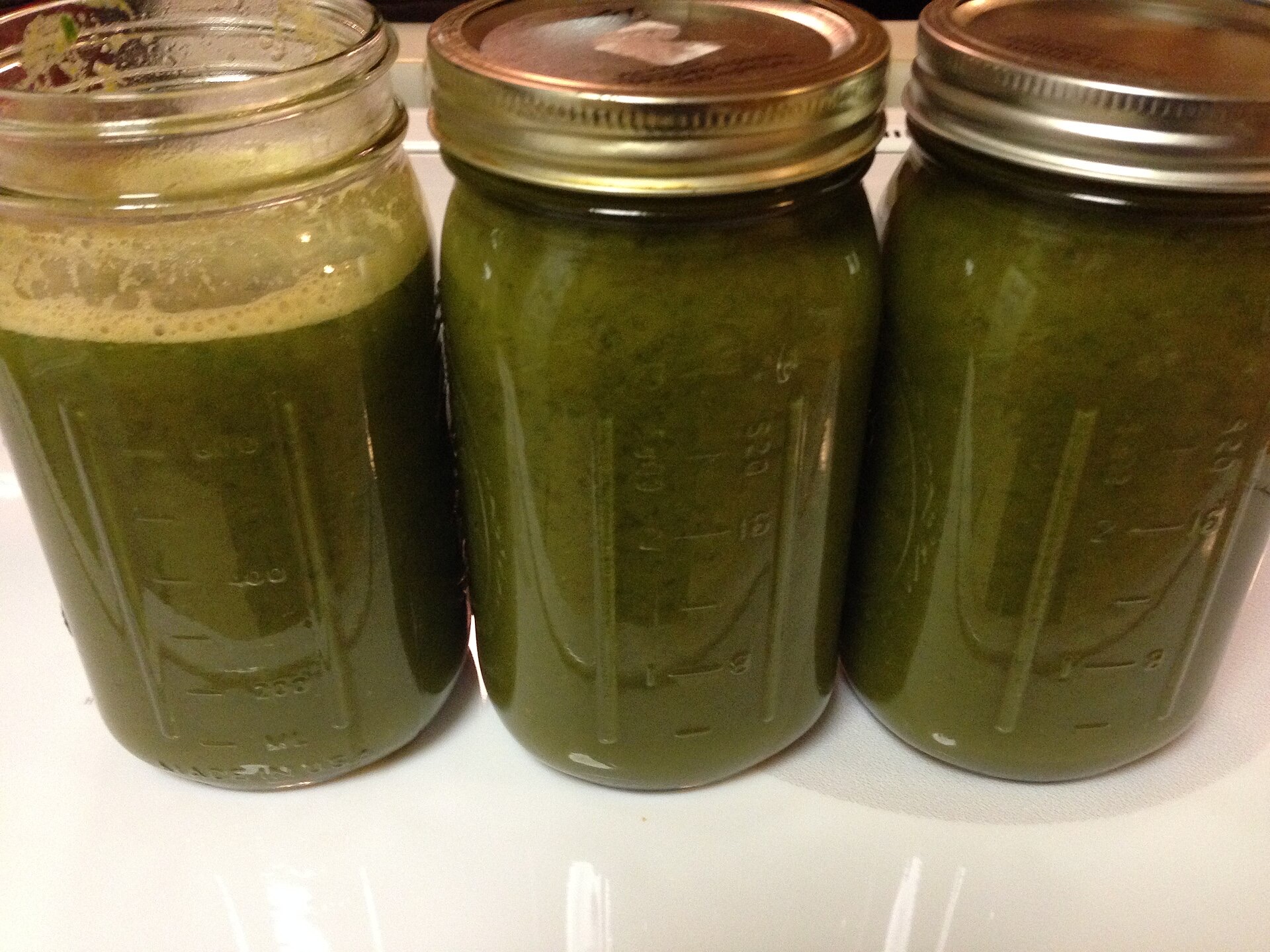
If you know you should eat more vegetables but rarely feel like preparing them, making vegetable juice might seem like an easier option.
A glass of carrot juice, cucumber juice, or a simple green juice takes less time to drink than preparing a plate of vegetables. It can also introduce you to ingredients you might not normally eat.
But does juicing actually help you eat more vegetables?
Yes, it can make vegetables easier to include in your daily routine. However, juice is not a complete replacement for whole vegetables. The way you prepare it also makes a difference.
Why Some People Find It Easier to Drink Vegetables
Not everyone enjoys eating vegetables. Some people dislike the texture of leafy greens, while others find vegetables inconvenient to prepare during a busy day.
Juicing changes the experience. Instead of eating a bowl of spinach or several pieces of cucumber, you can combine them into one drink.
This can be especially useful if:
- You rarely buy fresh vegetables because you are unsure how to prepare them.
- You dislike the texture of certain vegetables.
- You want to try different vegetable combinations without cooking.
- You have a busy morning and prefer something quick.
- You enjoy fresh drinks more than vegetable salads.
For example, spinach on its own may not sound appealing. But spinach combined with cucumber, lemon, and a little apple has a much fresher flavor.
The goal is not to force yourself to drink vegetables you dislike. It is to find combinations that make eating more produce easier.
Does Vegetable Juice Count as Eating Vegetables?
Vegetable juice contains many of the vitamins, minerals, and plant compounds found in the original ingredients. So it can contribute to your overall vegetable intake.
However, juicing changes what you get from the food.
When you use a traditional juicer, much of the pulp is separated from the liquid. This means a large amount of the original fiber is left behind.
Fiber is important for digestive health and helps make food more filling. Whole vegetables also take longer to eat, which can make it easier to feel satisfied.
The Mayo Clinic explains that juicing is not healthier than eating whole fruits and vegetables, even though it can be useful for people who struggle to include them in their diet.
You can read its explanation in the Mayo Clinic guide to juicing.
If you use a blender instead of separating the juice from the pulp, more of the original fiber stays in the drink. The texture will be thicker, but it is closer to consuming the whole ingredients.
What Vegetables Are Easy to Start Juicing?
If you are new to vegetable juice, start with vegetables that have mild flavors. Strong-tasting greens can be difficult to enjoy when you are not used to them.
Here are a few easy starting points.
Cucumber
Cucumber has a light, fresh taste and works well as a base for homemade vegetable juice. It also pairs easily with celery, spinach, lemon, and parsley.
Carrots
Carrots have a naturally sweet, earthy flavor. They are useful when you want a vegetable drink that does not taste too green.
Spinach
Spinach has a milder flavor than many other leafy greens, especially when combined with cucumber and a little citrus.
Tomatoes
Tomatoes are a good option if you prefer savory drinks rather than sweet fruit-style juices. They work well with cucumber, celery, and a little lemon.
Celery
Celery has a distinctive fresh and slightly salty flavor. It can be combined with cucumber or other vegetables to make a less sweet drink.
You do not need to use all these vegetables in one glass. Start with two or three ingredients and see which combinations you enjoy.
How to Make Vegetable Juice Easier to Enjoy
The biggest mistake beginners make is adding too many strong-tasting vegetables at once.
A drink made with large amounts of kale, celery, parsley, and ginger can taste quite intense. If you are not used to vegetable juice, that is not necessarily a good starting point.
Try these simple adjustments instead:
Use cucumber to soften strong flavors. Cucumber makes a vegetable drink taste lighter without adding much sweetness.
Add a little lemon. Lemon gives the juice a brighter flavor and can balance earthy vegetables such as carrots and beets.
Use fruit in small amounts. A little apple or pear can make green vegetables easier to enjoy. Just remember that fruit also adds natural sugar.
Change one ingredient at a time. If your first combination is too bitter, reduce the spinach or celery before changing everything.
If you want a ready-made starting combination, try our Green Juice Blender Recipe. It combines spinach, cucumber, green apple, and lemon for a fresher, more balanced taste.
Another beginner-friendly option is Carrot Apple Juice, where apples help balance the earthy flavor of carrots.
Should You Replace Whole Vegetables with Juice?
No. Even if you enjoy vegetable juice, it is better to keep whole vegetables in your regular meals.
A glass of strained juice does not provide the same amount of fiber as the original vegetables. It may also be less filling than eating those vegetables.
Think of juice as an extra way to include produce, not a reason to stop eating salads, cooked vegetables, or other whole foods.
For example, you could have a small glass of green juice in the morning and still include spinach, broccoli, carrots, or other vegetables in your lunch and dinner.
You also do not need to drink vegetable juice every day. Eating a variety of vegetables matters more than following a strict juicing routine.
A Few Things to Keep in Mind
Fresh homemade juice is not pasteurized, so it needs careful handling.
Wash vegetables under running water before preparing them. Make only as much juice as you plan to drink, and refrigerate leftovers promptly in a clean, sealed container.
If you want to prepare juice ahead of time, read our guide on how to store fresh juice.
Also, do not assume that every vegetable juice is suitable for every person. People who need to manage potassium, vitamin K, sodium, or other dietary factors may need to choose ingredients more carefully. If you have a medical condition that affects your diet, ask your healthcare professional for individual advice.
So, Can Juicing Help You Eat More Vegetables?
Yes. Juicing can make vegetables more convenient and easier to enjoy, particularly if you do not normally eat a wide variety of them.
It is most useful when it helps you add more produce to an already balanced diet. It becomes less helpful when you use it to replace whole vegetables or regular meals.
Start with mild ingredients, find a combination you actually enjoy, and keep eating vegetables in their whole form too. That is a much more practical approach than trying to live on juice.