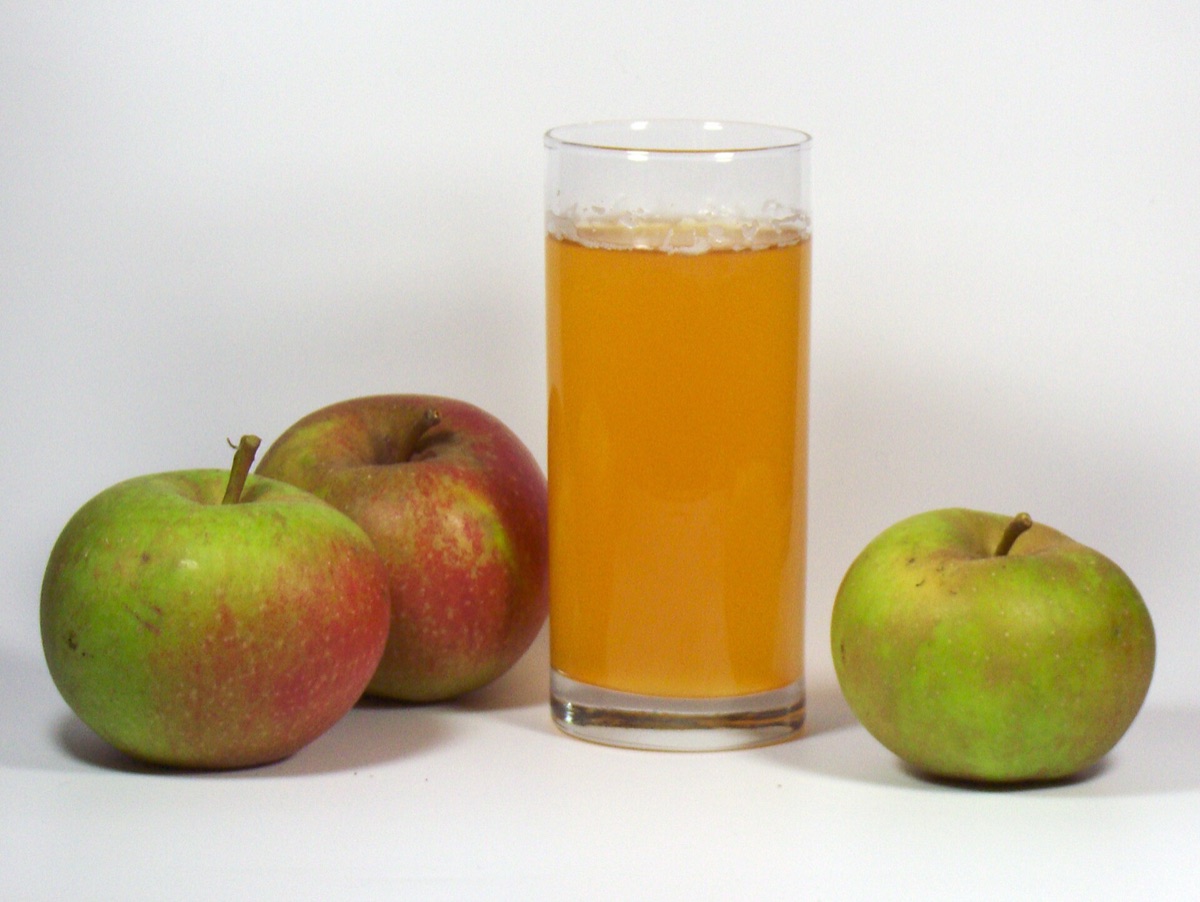
You make a fresh glass of orange juice, apple juice, or green juice and leave it on the kitchen counter for a few minutes. When you come back, something looks different. The liquid has separated, with pulp at the bottom or a clearer layer at the top.
Is the juice going bad? Do you need to throw it away?
In most cases, no. Fresh juice naturally separates when its pulp and liquid settle at different speeds. It does not automatically mean the juice has spoiled. A quick shake or stir is usually enough to mix it again.
However, there are a few things worth checking before you drink it.
Why Does Fresh Juice Separate Into Layers?
Homemade juice contains more than just liquid. Depending on the fruits and vegetables you use, it may also contain tiny pieces of pulp, fiber, plant particles, and natural compounds.
When you first make the juice, these particles are spread throughout the liquid. After sitting for a while, gravity causes some of them to move.
Heavier particles tend to settle at the bottom, while lighter particles may remain near the surface. The result is a glass with two or more visible layers.
This is especially common with homemade juice because most household juicers do not remove every tiny piece of pulp.
There is nothing unusual about this process. It is similar to what happens when you leave a glass of freshly squeezed orange juice untouched for a while.
If you are left with a pile of wet pulp after juicing, there are also a few practical ways to use leftover juice pulp instead of throwing it away.
Why Do Some Juices Separate Faster Than Others?
Not every homemade juice separates at the same speed. The ingredients you use make a difference.
- Orange juice: Small pieces of orange pulp often settle at the bottom, leaving a clearer liquid above.
- Apple juice: Fresh apple juice may develop a cloudy layer or darker-looking sediment as fruit particles settle and the juice reacts with air.
- Green juice: Juice made with spinach, kale, celery, or cucumber can separate into a watery layer and a layer containing fine plant particles.
- Berry juice: Strawberry, blueberry, and raspberry juice may develop visible pulp or sediment because the fruits contain small seeds and soft fruit particles.
Blended drinks can behave differently from juice made in a juicer. A blender keeps much more of the fruit and vegetable fiber in the drink, so the texture is thicker. However, juice made in a blender can also separate as heavier ingredients settle.
The important thing to remember is that some juices naturally separate more noticeably than others. It does not necessarily mean you made them incorrectly.
Can You Still Drink Fresh Juice After It Separates?
Yes, usually. If you made the juice recently, handled the ingredients properly, and kept it refrigerated when necessary, visible separation alone is not a reason to throw it away.
Try these simple steps:
- Look at the juice and check whether anything unusual has appeared.
- Smell it. Fresh juice should smell like the fruits or vegetables used.
- Shake the container or stir the juice to mix the layers again.
- If it has been stored safely and shows no signs of spoilage, it is generally fine to drink.
Keep in mind that smell and appearance cannot guarantee food safety. Harmful bacteria may be present without changing the juice's appearance or smell.
Fresh homemade juice is not pasteurized, so it can carry bacteria from raw produce. People who are pregnant, very young children, older adults, and people with weakened immune systems should be especially careful with unpasteurized juice.
Storage matters more than separation when deciding whether leftover juice is still good. See our guide on how long fresh juice lasts in the fridge for practical storage times and signs of spoilage.
How Can You Tell If Separated Juice Has Gone Bad?
Separation and spoilage are two different things.
Normal separation happens because the ingredients settle. Spoilage happens when microorganisms grow or the juice deteriorates during storage.
Watch for these warning signs:
- Sour or fermented smell: If the juice smells like alcohol, vinegar, or something noticeably different from the original ingredients, do not drink it.
- Unexpected bubbles: Persistent bubbling or fizzing in juice that was not carbonated may indicate fermentation.
- Mold: Any visible mold means the entire batch should be discarded.
- Unusual texture: Unexpected sliminess or other major texture changes are reasons to throw it away.
Also consider how long the juice has been sitting out. Fresh homemade juice should be refrigerated promptly. As a general food-safety rule, do not leave perishable juice at room temperature for more than two hours, or one hour when the temperature is above 90°F (32°C).
If you are unsure how it was handled or stored, it is safer to discard it. Do not taste questionable juice to test whether it is still good.
How to Keep Homemade Juice From Separating Too Quickly
You cannot always prevent natural separation, but a few simple habits can make it less noticeable.
Drink it soon after making it. The longer fresh juice sits, the more time its pulp and other particles have to settle.
Mix it before serving. A quick shake or stir usually brings the layers back together. You do not need special equipment.
Use a sealed container. Store leftover juice in a clean, airtight container and refrigerate it promptly. A container with less empty space also helps reduce contact with air.
Avoid unnecessary filtering. If you remove too much pulp, the juice may look smoother, but filtering does not guarantee that it will stay mixed. It also changes the texture and removes some of the fiber.
Should You Shake or Stir Separated Juice?
For most homemade juice, either method works.
If the juice is in a bottle or jar, close the lid and shake it gently for a few seconds. If it is already in a glass, use a spoon to stir the liquid and settled pulp together.
You may notice that the layers return after another few minutes. That is normal. Shaking does not permanently stop separation because the particles can settle again.
There is no need to keep mixing the juice every few minutes. If it has been stored safely, simply mix it again just before drinking.
The Bottom Line
Fresh juice separating after sitting is usually a natural result of pulp and plant particles settling in the liquid. It does not automatically mean the juice has gone bad.
If the juice was prepared recently and stored properly, a quick shake or stir is generally all it needs. However, always pay attention to storage time and possible signs of spoilage. When in doubt, throw it out rather than risk drinking unsafe juice.