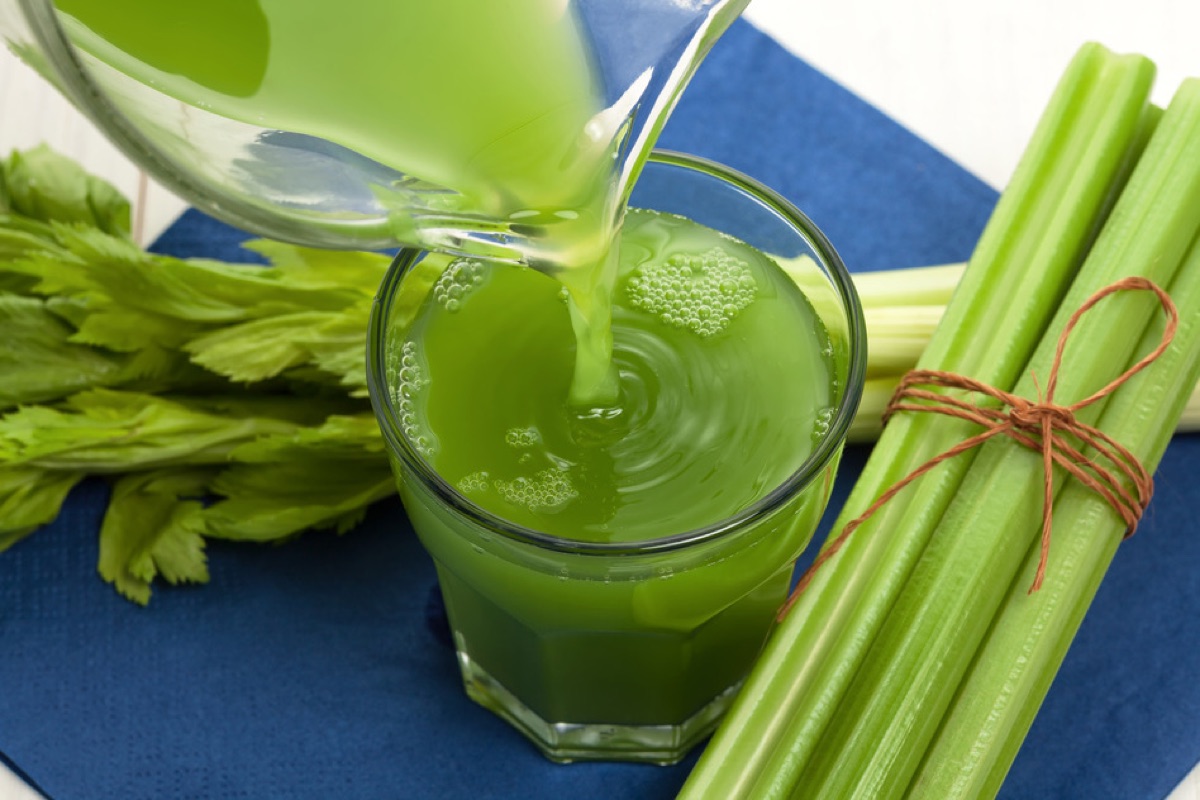
You start making celery juice, and everything seems fine for the first few stalks. Then the juice starts coming out more slowly. The pulp stops moving, the machine makes a different noise, or the juicer suddenly stops working.
If this happens regularly, celery may be the reason.
Unlike softer fruits, celery contains long, tough fibers that can wrap around parts of a juicer or collect around the pulp outlet. Feeding too much celery at once can make the problem worse.
The good news is that a few changes to how you prepare and feed celery can make juicing much easier.
Why Does Celery Clog a Juicer?
Celery looks like a simple vegetable to juice, but its structure makes it more difficult than many fruits.
Each stalk contains long, stringy fibers running along its length. When celery enters a juicer, these fibers can get caught around the rotating screw, collect near the filter, or build up around the pulp exit.
This is especially common with slow or masticating juicers, which crush and press produce through a relatively narrow processing area.
There are three common reasons for clogging:
- Long celery strings: Fibers can wrap around the juicing screw or become trapped in small openings.
- Too much celery at once: Large amounts of celery can create more pulp than the machine can process at one time.
- Pulp buildup: Wet fibers can accumulate around the filter and pulp outlet, slowing down the flow of both juice and waste.
If the pulp stops coming out while you are still feeding celery, it is worth checking the machine before continuing.
Should You Cut Celery Before Putting It in a Juicer?
For many juicers, cutting celery into shorter pieces is one of the easiest ways to reduce clogging.
Long stalks can send long strands into the machine, where they may wrap around internal parts. Shorter pieces are generally easier for many machines to process.
How Small Should the Pieces Be?
For a typical slow juicer, try cutting celery into pieces around 1–2 inches long (2.5–5 cm).
You can cut thicker stalks into smaller sections if they contain particularly tough strings.
However, this is not a universal rule. Some juicers are designed to handle whole or longer celery stalks. Always check your machine's instructions before changing the recommended preparation method.
Should You Remove the Celery Strings?
You usually do not need to peel every stalk or remove all the strings by hand.
If your celery has especially thick, tough fibers, trimming or cutting those sections shorter may help. Removing the leafy tops is optional and depends on the recipe and your taste.
The main goal is to avoid sending long, tangled strands into a machine that struggles to process them.
How to Juice Celery Without Clogging Your Machine
Once your celery is prepared, the way you feed it also matters.
Feed Small Amounts at a Time
Do not push a whole bunch of celery into the juicer at once.
Add a few pieces, let the machine process them, and then add more. This gives the pulp enough time to move through the machine instead of building up around the outlet.
If you are using an automatic-feed model, avoid filling the hopper beyond its recommended capacity.
Alternate Celery With Other Ingredients
If you are making a celery and apple or celery and cucumber juice, try alternating the ingredients rather than feeding all the celery first.
Watery ingredients can help move some of the fibrous material through certain juicers.
For example, you might add a few celery pieces, followed by a piece of cucumber or apple, and repeat.
This is not a guaranteed solution for every machine, but it can help reduce concentrated pulp buildup.
Use Fresh, Crisp Celery
Old celery can be more difficult to process. As it loses moisture, its stalks become limp and its texture changes.
Choose celery that feels firm and crisp, with no slimy areas, soft spots, or signs of decay.
Fresh celery generally gives you better juice and is easier to prepare.
What Should You Do When Celery Gets Stuck in the Juicer?
If juice stops flowing or the pulp outlet becomes blocked, do not keep pushing more celery into the machine.
Instead, stop and check what is happening.
- Stop feeding ingredients into the juicer.
- If your machine has a reverse function, use it according to the manufacturer's instructions to try to release the stuck fibers.
- If the blockage remains, switch off and unplug the juicer.
- Disassemble the removable parts as described in the manual.
- Remove the trapped celery fibers and rinse the affected parts.
- Reassemble the machine correctly before using it again.
Never put your fingers or utensils into a running juicer or feeding chute. Do not force the motor to continue working when it is jammed.
If the machine repeatedly stops, overheats, or makes unusual noises even after cleaning, check the manufacturer's troubleshooting instructions or contact customer support.
Why Does Celery Pulp Stop Coming Out?
Sometimes the juice is still flowing, but the pulp outlet seems blocked.
This can happen when long celery fibers collect around the pulp opening. The fibers may form a compact mass that prevents other pulp from passing through.
A buildup around the filter can also reduce juice flow. You may notice that the pulp becomes wetter or that more solid material ends up in your juice.
If this happens during a long juicing session, stop the machine and clean the affected parts rather than waiting for the blockage to get worse.
It is also worth checking the filter after each use. Dried plant fibers can be difficult to remove later, especially from fine mesh openings.
Can You Use a Blender Instead of a Juicer for Celery?
Yes, but the result will be different.
A blender chops the whole celery stalk, including its fiber, into a thicker mixture. You can add a little water if needed to help the blades move, then strain the mixture through a fine-mesh strainer or nut-milk bag if you want a thinner drink.
This avoids the narrow pulp outlet and rotating screw that can cause problems in some juicers.
However, blending does not produce exactly the same texture as a juicer, and straining takes extra time.
If you are unsure which method suits your kitchen, our blender vs. juicer guide explains what each machine does differently.
Does Every Juicer Have Problems With Celery?
No. Some machines handle fibrous vegetables better than others.
Slow juicers vary in their screw design, filter openings, pulp outlets, and feeding systems. A model with a wider pulp exit may handle celery differently from one with a narrow opening.
Centrifugal juicers also process celery differently because they use a spinning basket rather than a pressing screw.
If you regularly make celery juice, check whether your machine's manufacturer provides specific celery preparation instructions. Cutting celery into short pieces is helpful for many models, but some machines are designed to accept longer stalks.
The Bottom Line
Celery often clogs juicers because its long, tough fibers can wrap around internal parts or collect near the pulp outlet.
Cutting stalks shorter, feeding them gradually, and cleaning the filter and pulp pathway can make a big difference. If the machine becomes blocked, stop it and clear the fibers safely rather than forcing it to keep running.
You do not need a different juicer just because celery is difficult to process. In many cases, changing how you prepare and feed it is enough to make your next batch much easier.