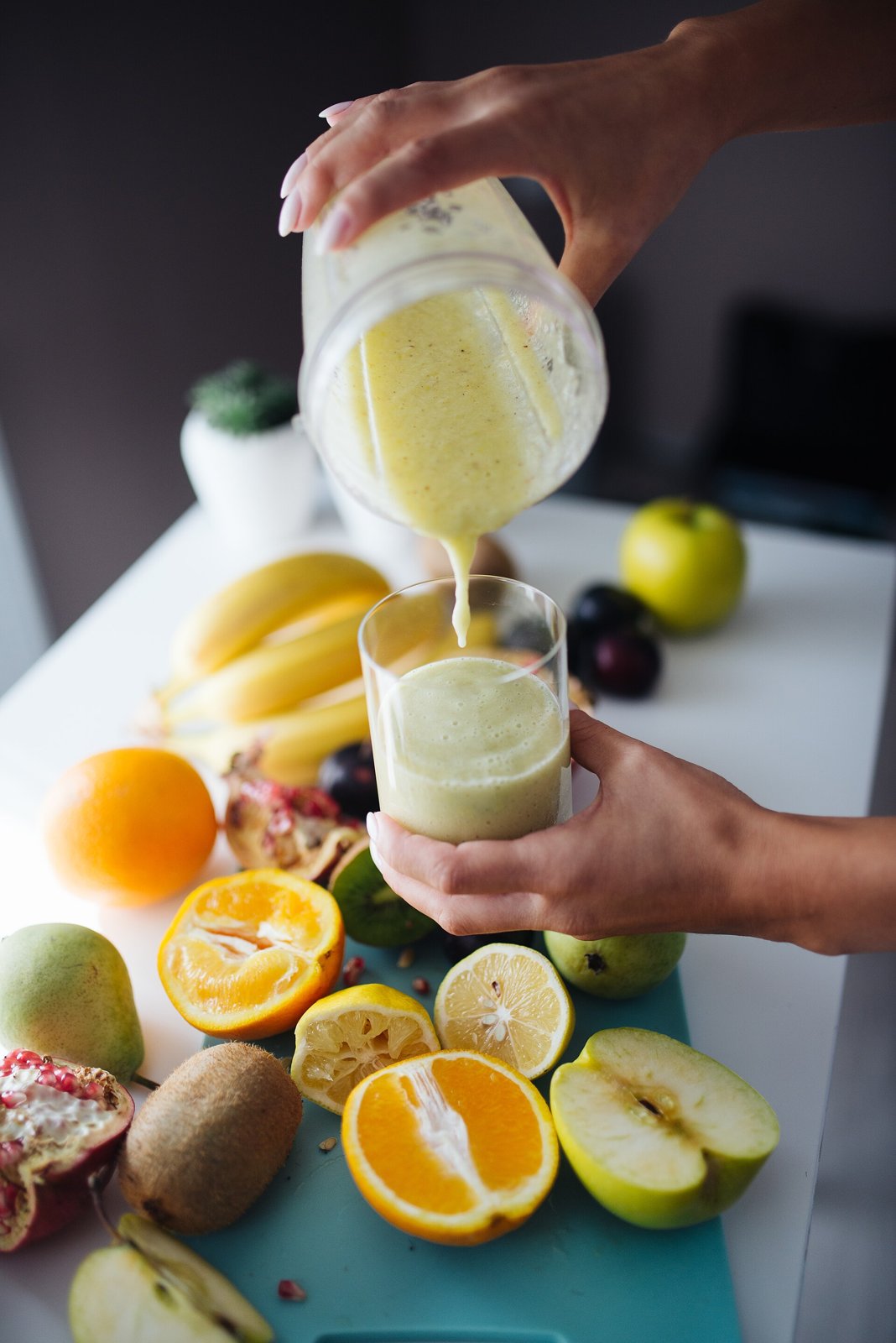
Yes, you can use coconut water in smoothies instead of regular water, milk, or juice. It adds a light, slightly sweet flavor that works especially well with tropical fruits like mango, pineapple, and banana. It also makes fruit smoothies easier to blend without adding the creamy texture of dairy milk or yogurt.
The main thing to remember is that coconut water is thinner than milk and most smoothie bases. Start with a small amount, blend, and add more until you get the consistency you like.
How to Use Coconut Water in a Smoothie
Coconut water works best when you treat it as a liquid base rather than the main ingredient. The fruit still provides most of the flavor and texture.
For one medium smoothie, try this starting ratio:
- 1 cup frozen or fresh fruit
- 1/2 cup coconut water
- 1/2 banana, optional for a thicker texture
- Ice, optional
Blend everything until smooth. If the mixture is too thick, add coconut water a little at a time. If it becomes too thin, add more frozen fruit or a few slices of banana.
Frozen fruit is particularly useful because it makes a cold smoothie without requiring much ice, which can dilute the flavor.
Can Coconut Water Replace Milk in Smoothies?
Yes, but the result will be different. Coconut water gives a smoothie a lighter, more refreshing texture, while dairy milk usually adds creaminess and a richer taste.
If you replace milk with coconut water, consider adding banana, avocado, oats, or a spoonful of nut butter if you want a thicker drink. These ingredients help create a fuller texture without relying on milk.
Coconut water is not the same as canned coconut milk. Coconut milk is much richer and creamier, so it is usually a better choice when you want a dessert-like smoothie.
Can You Use Coconut Water Instead of Regular Water?
Absolutely. Coconut water adds a little flavor, while plain water mostly thins the mixture. This makes coconut water a useful option when you want a fruit-forward smoothie that tastes more interesting than one made with water alone.
Keep in mind that coconut water contains natural sugar. If you are watching your sugar intake, check the amount you use and choose an unsweetened product. You can find more details in our guide to how much sugar coconut water contains.
Best Fruits to Blend With Coconut Water
Coconut water has a mild taste, so it pairs well with many fruits. These combinations are good starting points.
Mango and Pineapple
Mango adds body, while pineapple gives the smoothie a bright, tangy flavor. Coconut water helps blend the two without making the drink as heavy as a milk-based smoothie.
Try this combination:
- 1 cup frozen mango
- 1/2 cup pineapple
- 1/2 cup coconut water
Blend until smooth. Add a little more coconut water if needed.
Banana and Strawberry
Banana helps thicken the smoothie, while strawberries bring a fresh, slightly tart flavor. This is a good option if you want a softer, less tropical taste.
Try this combination:
- 1 banana
- 1 cup strawberries
- 1/3 to 1/2 cup coconut water
Start with 1/3 cup if you are using fresh fruit. Frozen strawberries may need a little more liquid to blend smoothly.
Mixed Berries
Blueberries, strawberries, raspberries, and blackberries all work with coconut water. Berries can produce a thicker smoothie when frozen, although raspberries and blackberries may leave small seeds in the finished drink.
Try this combination:
- 1 cup frozen mixed berries
- 1/2 banana
- 1/2 cup coconut water
The banana helps balance the tartness and gives the smoothie a smoother texture.
Banana and Pineapple
For a simple tropical smoothie, combine banana and pineapple with coconut water. The banana provides thickness, while the pineapple keeps the flavor bright.
Try this combination:
- 1 banana
- 3/4 cup pineapple
- 1/2 cup coconut water
If the pineapple is very ripe, you may not need any extra sweetener.
How Much Coconut Water Should You Add?
The right amount depends on the fruit, whether it is fresh or frozen, and how thick you want your smoothie.
| Smoothie texture | Coconut water to start with |
|---|---|
| Thick, spoonable smoothie | 1/4–1/3 cup |
| Regular drinkable smoothie | 1/2 cup |
| Thin, easy-to-sip smoothie | 3/4 cup or more |
These amounts are starting points for a smoothie containing roughly 1 to 1 1/2 cups of fruit. You may need to adjust them for your blender and ingredients.
The easiest method is to add less liquid first. You can always thin a smoothie after blending, but fixing one that is too watery usually means adding more fruit or another thickening ingredient.
Tips for Better Coconut Water Smoothies
A few small adjustments can make a noticeable difference.
- Use unsweetened coconut water. Flavored varieties may contain added sugar and can overpower delicate fruit flavors.
- Use frozen fruit for thickness. This usually works better than adding lots of ice.
- Taste before adding sweetener. Ripe bananas, mangoes, and pineapples may provide enough sweetness on their own.
- Balance very sweet fruit with something tart. A squeeze of lime or a handful of berries can make the flavor less one-dimensional.
- Add creamy ingredients only when you want them. Yogurt, avocado, oats, or nut butter can make a coconut water smoothie thicker, but they are not essential.
If you are comparing coconut water with other smoothie liquids, remember that each one changes the final drink. Water keeps the flavor simple, milk adds richness, and fruit juice often makes a smoothie sweeter. Coconut water sits somewhere in between: light in texture, with a mild flavor of its own.
Can You Make a Coconut Water Smoothie Ahead of Time?
You can prepare a smoothie ahead, but the texture and color may change as it sits. Fruit can separate from the liquid, and some blends may become thicker or thinner over time.
For the best texture, drink it soon after blending. If you need to store it, pour it into a clean, sealed container and refrigerate it promptly. Shake or stir it before drinking.
For an easier morning routine, portion the fruit into a freezer-safe bag ahead of time. When you are ready to make the smoothie, add the frozen fruit to the blender with coconut water and blend fresh.
Is Coconut Water a Good Smoothie Base?
Coconut water is a good choice when you want a light fruit smoothie without milk or a large amount of juice. It works particularly well with mango, pineapple, berries, and banana, and you can adjust the amount to suit your preferred consistency.
Start with about half a cup for one smoothie, then add more only if needed. With the right fruit combination, coconut water can provide enough flavor and liquid without making the drink heavy or overly sweet.